 Save to Pinterest
 There's something about the way miso paste transforms salmon that caught me off guard the first time I really paid attention to it. I was standing in my kitchen on a Tuesday evening, the light turning golden through the window, when I realized the glaze bubbling in the oven smelled nothing like the sharp fermented funk of miso alone. Instead, it had become something sweet and savory at once, almost caramel-like, with the ginger cutting through it all with this bright, clean note. That's when it clicked for me that Japanese cooking isn't about individual ingredients shouting for attention, but about them finding their harmony. This dish came together in my mind that night as the kind of meal that feels both nourishing and a little bit special.
I made this for my sister last month when she was visiting and had mentioned something about trying to eat better without sacrificing flavor. She took one bite and looked genuinely surprised, then asked if I'd been holding out on her all these years. We ended up talking through the whole meal about how simple ingredients treated with care somehow become memorable, and she's made it twice since then. That moment reminded me why I love cooking for people, not just because the food tastes good, but because it opens these small windows into what matters to them.
Ingredients
- Salmon fillets (4, about 150 g each): Look for fillets with firm, glossy flesh and ask your fishmonger when they came in, because freshness changes everything here.
- White miso paste (2 tbsp): This is sweeter and mellower than red miso, which is exactly why it works with salmon instead of overwhelming it.
- Mirin (1 tbsp): If you can't find it, dry sherry works, though mirin's natural sweetness creates a slightly better caramel when baked.
- Low-sodium soy sauce (1 tbsp for glaze, 1 tbsp for spinach): Use proper soy sauce, not the bright red stuff, because the subtlety matters in such a simple dish.
- Honey or maple syrup (1 tbsp): This rounds out the miso and helps the glaze develop that gorgeous caramelized edge.
- Sesame oil (1 tsp): A small amount goes a long way, so resist the urge to add more or it'll overpower everything.
- Fresh ginger (1 tsp grated for glaze, 1 tbsp julienned for spinach): Ginger's peppery warmth is what keeps this dish from feeling too heavy, so don't skip it.
- Olive oil or sesame oil (2 tbsp for spinach): Olive oil is more neutral, sesame oil is bolder, so choose based on your mood.
- Large shallot (1, thinly sliced): Shallots are more delicate than onions and add a whisper of sweetness that complements the miso beautifully.
- Garlic cloves (2, minced): Fresh garlic is essential here because the heat from the pan will just kiss it, making it mellow and fragrant.
- Fresh baby spinach (400 g): It wilts down dramatically, so don't be intimidated by the volume when it's raw.
- Lemon wedges: These are not optional, they're the bright finish that ties everything together on your palate.
Tired of Takeout? 🥡
Get 10 meals you can make faster than delivery arrives. Seriously.
One email. No spam. Unsubscribe anytime.
Instructions
- Get your oven ready and prep your workspace:
- Preheat to 200°C (400°F) and line a baking tray with parchment paper so your salmon won't stick and cleanup will be effortless. This small step means the difference between fish that slides off gracefully and fish that tears.
- Make your miso glaze magic:
- Whisk together miso paste, mirin, soy sauce, honey, sesame oil, and grated ginger in a small bowl until smooth and glossy. You want it thick enough to coat the salmon but still able to drip slightly when the spoon tilts.
- Prepare your salmon for the oven:
- Pat your salmon fillets completely dry with a paper towel because moisture is the enemy of caramelization. Place them skin-side down on the prepared tray and brush each one generously with the miso glaze, making sure the edges get some love too.
- Bake until just cooked through:
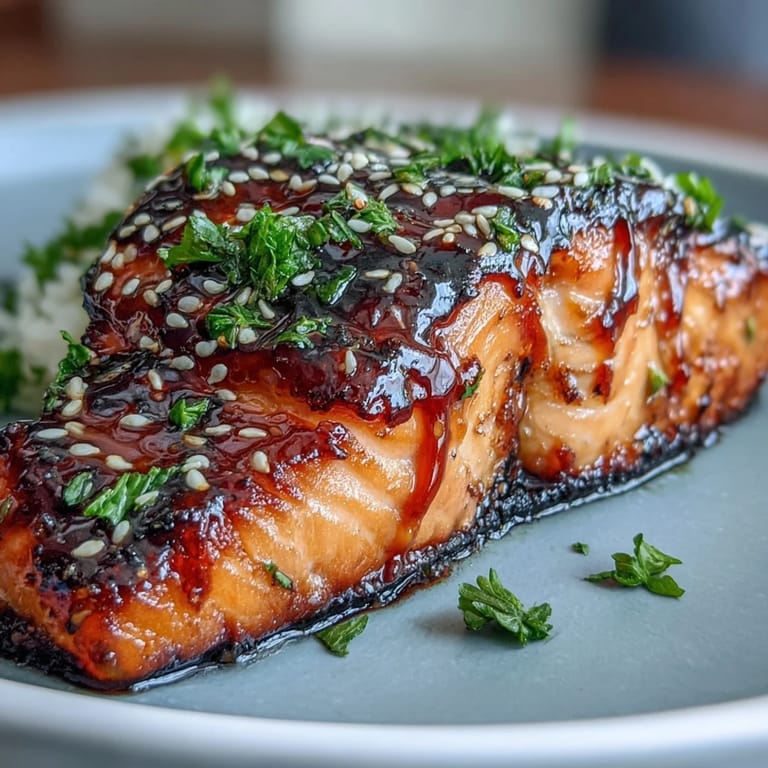
- Slide the tray into the oven for 10 to 12 minutes, watching until the glaze is bubbling at the edges and starting to caramelize. The salmon should flake gently when tested with a fork but still feel slightly yielding in the thickest part.
- Start your spinach while salmon bakes:
- Heat your oil in a large skillet over medium heat and add the shallot, garlic, and julienned ginger, stirring until the kitchen smells absolutely incredible, about 1 to 2 minutes. You're not browning anything aggressively, just coaxing out the aromatics gently.
- Wilt the spinach in batches:
- Add a big handful of spinach, let it collapse, then add another handful, stirring as you go so it cooks evenly without steaming into an unpleasant texture. Once all the spinach is in, season with soy sauce and black pepper, tasting as you go.
- Plate and serve immediately:
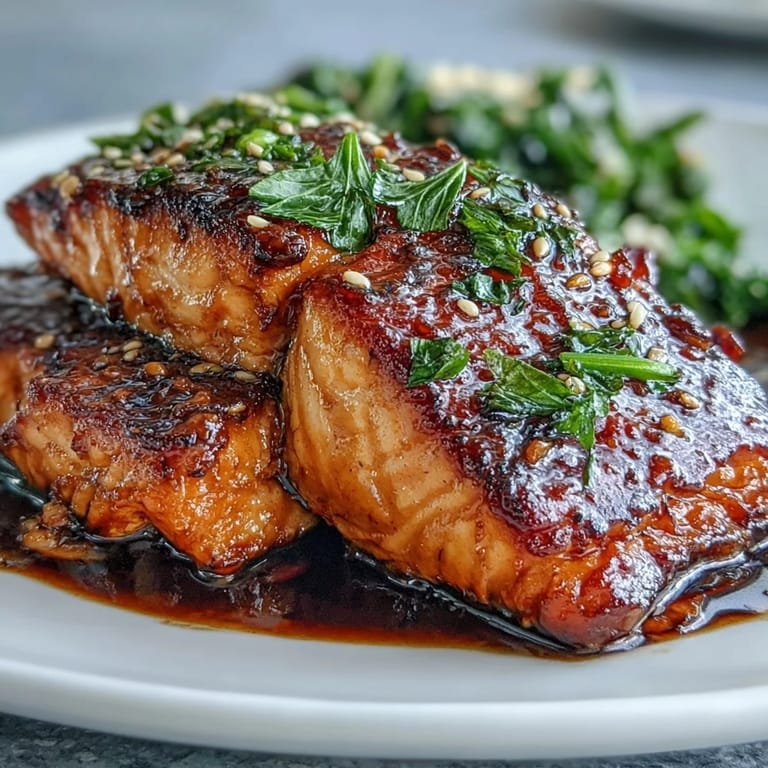
- Divide the warm spinach among your plates, nestle a miso-glazed salmon fillet on top of each, and squeeze fresh lemon wedges over everything just before eating.
 Save to Pinterest
 My neighbor smelled this cooking one evening and knocked on the door asking what I was making, and that's when I realized this dish has a kind of alchemy to it. It pulls people in before they even taste it, which somehow makes the eating part feel even more satisfying, like you're in on a small secret together.
The Power of Umami
Miso paste is essentially concentrated umami, that mysterious fifth taste that makes your mouth feel full and satisfied even when you're eating something relatively light. I used to think umami was just a fancy culinary term until I tasted it properly through this dish, and suddenly I understood why Japanese cooking feels so complete and nourishing. The combination of miso, soy sauce, and ginger creates this layered savory quality that makes a simple salmon fillet taste like you've been working on it all day.
Why Spinach Works Here
Spinach isn't just there for nutrition, though calcium-rich greens are always welcome, it's there because its slight earthiness and tender texture create the perfect quiet foundation for the bold flavors happening on top. When you sauté it with ginger, shallot, and garlic, it stops being just a vegetable and becomes a whole component of the dish. I've tried this with other greens and nothing quite captures the same balance of tenderness and substance.
Making This Meal Your Own
The beauty of this dish is that it's flexible enough to accommodate what you have on hand while maintaining its integrity. I've added toasted sesame seeds for crunch, tossed in some sliced scallions for onion sharpness, and served it alongside everything from steamed rice to roasted cauliflower depending on the season and who was eating.
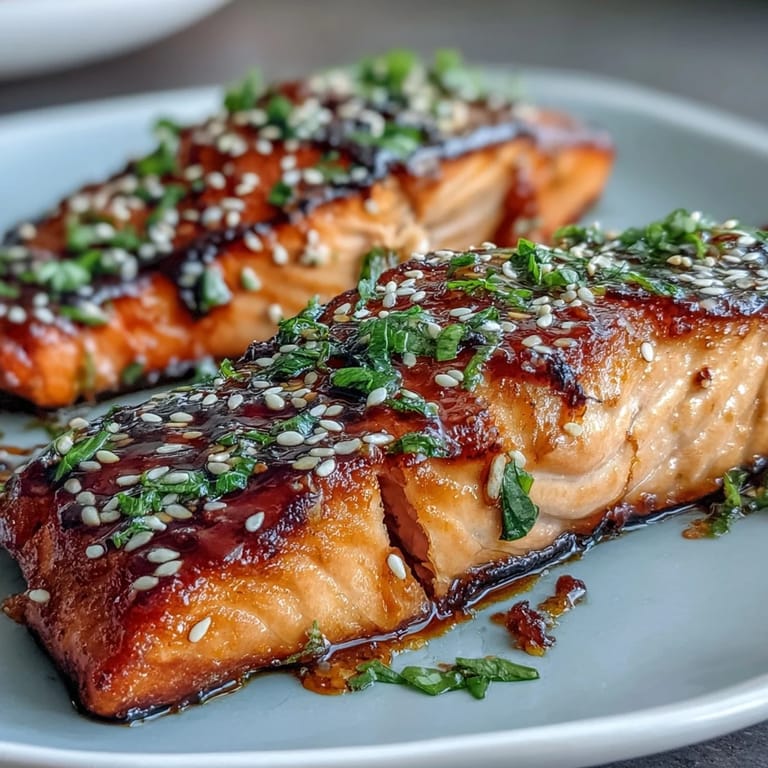
- Sprinkle toasted sesame seeds or sliced scallions on top just before serving for texture and visual appeal.
- If you're cooking for someone avoiding gluten, make sure your soy sauce and miso are certified gluten-free.
- A crisp white wine like Sauvignon Blanc or a light Pinot Grigio makes this feel like you're at a restaurant instead of your kitchen.
 Save to Pinterest
 This is the kind of meal that quietly became a favorite in my weekly rotation because it delivers on every front, whether you're cooking for yourself on a Monday or impressing people who matter. There's a reason it keeps coming back to my table.
Recipe FAQs
- → Can I use other types of fish instead of salmon?
Yes, this glaze works beautifully with other fatty fish like sablefish, arctic char, or sea bass. For leaner fillets like cod or halibut, reduce baking time to 8-10 minutes to prevent drying.
- → What can I substitute for white miso paste?
Red miso offers a stronger, more intense flavor if you prefer depth. For a soy-free option, try coconut aminos mixed with a splash of rice vinegar, though the umami character will differ slightly.
- → Is it possible to make the salmon on the stovetop instead?
Absolutely. Heat an oven-safe skillet over medium-high, sear salmon skin-side up for 3 minutes, flip, brush with glaze, and transfer to a 400°F oven for 5-8 minutes. The glaze caramelizes beautifully this way.
- → Can I prepare the miso glaze in advance?
The glaze keeps refrigerated in an airtight container for up to 2 weeks. Whisk well before using as the honey may settle. You can also glaze the salmon up to 4 hours ahead and refrigerate until ready to bake.
- → What sides pair well with this dish?
Steamed jasmine rice absorbs the extra glaze perfectly. Noodles like soba or udon work beautifully. For lighter options, try roasted bok choy or cucumber salad dressed with rice vinegar.
- → How do I know when the salmon is perfectly cooked?
The salmon is done when it flakes easily with a fork and the internal temperature reaches 125°F to 130°F for medium. The flesh should turn opaque but remain moist. Carryover heat will finish cooking during the brief resting period.