 Save to Pinterest
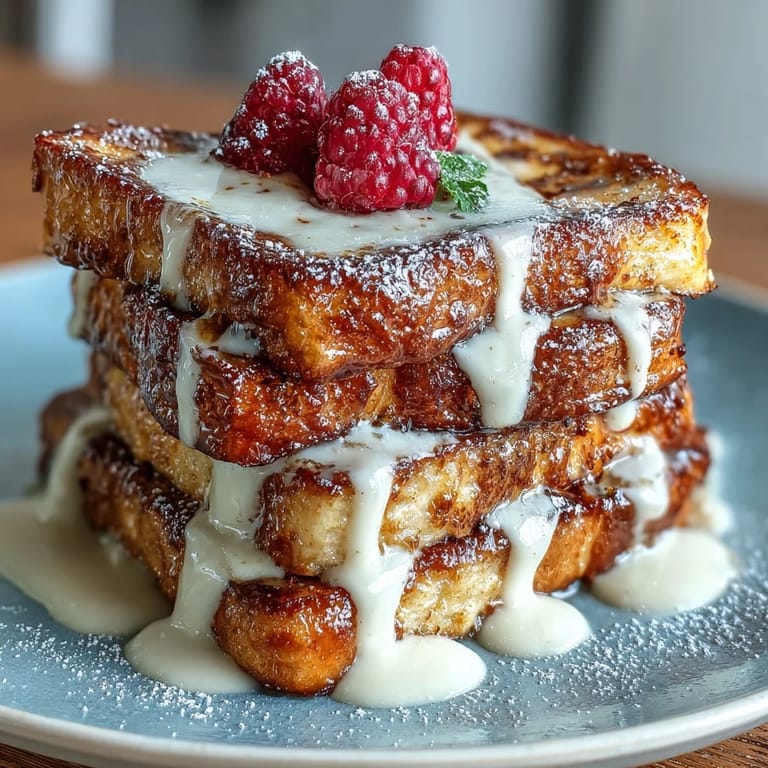
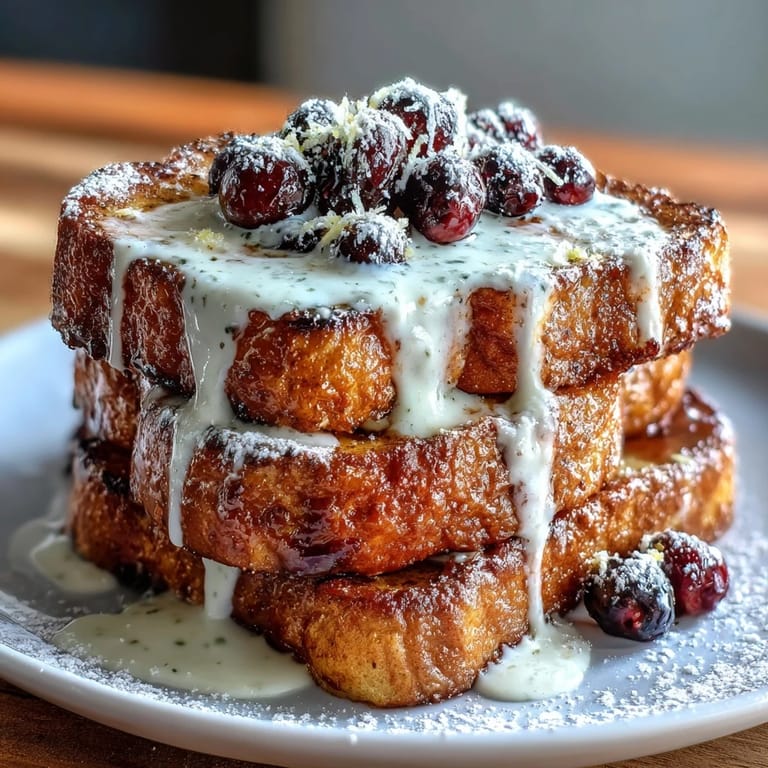
 There's something about the smell of lemon zest hitting a warm kitchen that makes everything feel like a celebration, even if it's just a Tuesday morning. Years ago, I discovered that sourdough's subtle tang pairs beautifully with bright citrus, and when I added blueberries to the mix, it felt like I'd finally cracked some kind of breakfast code. This bake came together almost by accident—I had a half loaf of sourdough sitting around, a punnet of blueberries threatening to go soft, and a sudden craving for French toast that didn't require standing over the stove. What emerged was this golden, custardy casserole that tastes fancy enough for guests but comes together with almost no fuss.
I made this for my sister's birthday brunch last spring, and she was skeptical about the lemon-blueberry combination until she took her first bite. Within minutes, her whole expression changed—she looked almost grateful, which is rare for someone who usually just tolerates whatever I cook. We sat on the back porch with mimosas while the casserole cooled, and she asked for the recipe before we'd even finished eating. That's when I knew I'd stumbled onto something special.
Ingredients
- 1 loaf sourdough bread, cut into 1-inch cubes (about 400 g): Sourdough's tangy flavor and sturdy crumb make it ideal for custard soaks—it won't turn soggy or mushy like white bread would.
- 1½ cups fresh or frozen blueberries: Fresh berries are lovely, but frozen actually work better here because they release their juices slowly as the casserole bakes, creating little pockets of flavor.
- Zest of 1 lemon: This is where the magic happens; don't skip it or you'll lose the brightness that defines the whole dish.
- 6 large eggs: Room temperature eggs whisk more smoothly and create a more uniform custard, so pull them out of the fridge while you prep other ingredients.
- 2 cups whole milk and ½ cup heavy cream: The combination of both gives you richness without being over-the-top; if you use only milk, the custard will be thinner.
- ⅓ cup granulated sugar: The sweetness is intentionally subtle so the lemon and sourdough flavors shine through.
- 2 tsp pure vanilla extract: Use real vanilla, not imitation; the difference is noticeable in custard-based dishes.
- ¼ tsp salt: A tiny pinch of salt seems insignificant, but it amplifies all the other flavors and prevents the custard from tasting flat.
- Juice of 1 lemon: Fresh squeezed is worth the small effort; bottled juice has a slightly metallic aftertaste that mutes the delicate lemon flavor.
- 2 tbsp melted butter and 2 tbsp sugar mixed with ½ tsp cinnamon for topping: This simple mixture creates a crispy, caramelized surface that contrasts beautifully with the custardy interior.
Tired of Takeout? 🥡
Get 10 meals you can make faster than delivery arrives. Seriously.
One email. No spam. Unsubscribe anytime.
Instructions
- Prepare Your Canvas:
- Grease the baking dish thoroughly and arrange sourdough cubes in an even layer—think of this as building a sturdy foundation for the custard to settle into. Scatter the blueberries and lemon zest over the bread, and don't worry about perfectly distributing them; they'll find their way.
- Whisk the Custard Together:
- Combine eggs, milk, cream, sugar, vanilla, salt, and fresh lemon juice in a large bowl, whisking until the mixture is smooth and the sugar has dissolved. You're looking for a pale, uniform liquid with no streaks of egg white remaining.
- Soak the Bread:
- Pour the custard evenly over the bread and berries, then press down gently with the back of a spoon so the bread absorbs the liquid instead of floating on top. The cubes should feel heavy and saturated after a minute or two of gentle pressing.
- Chill and Wait:
- Cover the dish with plastic wrap and refrigerate for at least 30 minutes, though overnight is genuinely better because it gives the bread time to fully absorb the custard and develop deeper flavor. This step is not optional if you want the best texture.
- Toast the Topping:
- Preheat your oven to 350°F and while it warms, mix the cinnamon and sugar together in a small bowl. Drizzle the melted butter over the casserole and sprinkle the cinnamon-sugar mixture evenly across the top, creating a light, even layer.
- Bake Until Golden:
- Slide the casserole into the oven and bake uncovered for about 45 minutes, until the center is set (it should jiggle only slightly when you gently shake the dish) and the top has turned golden brown. The edges will smell intensely buttery and caramelized—that's your signal you're close.
- Rest and Serve:
- Let the bake cool for 10 minutes before diving in; this resting period allows the custard to set fully so each slice holds together beautifully. Serve warm with maple syrup drizzled over the top or a light dusting of powdered sugar if you're feeling elegant.
 Save to Pinterest
 What struck me most about this recipe is how it transformed a quiet morning into something worth lingering over—not because it's complicated, but because it tastes like you've been cooking since dawn. My neighbor stopped by one Saturday and caught the aroma wafting through the open window; by the time the bake came out of the oven, she'd somehow invited herself to breakfast, and we spent two hours at the kitchen table just talking and eating.
The Magic of Sourdough in Custard
Sourdough's subtle fermented tang is the secret weapon here that keeps this bake from feeling like standard French toast. The bread's structure is tight enough to hold up under the weight of the custard, yet open enough to absorb it completely. I learned this the hard way after trying brioche (too soft, fell apart) and regular white bread (too bland, made the whole dish taste one-note). Sourdough hits that perfect middle ground where it becomes almost custard-like itself while still maintaining its identity.
Why Lemon and Blueberry Were Meant to Pair
Blueberries can sometimes taste flat or muted in baked goods, but lemon wakes them up completely—the citrus acidity brings out their natural tartness and makes them taste more vibrant. The lemon zest in particular creates little bursts of flavor throughout the dish that prevent any bite from feeling monotonous. Once you understand this flavor combination, you'll start seeing it everywhere, and you'll wonder why it's not used more often in breakfast cooking.
Prep Strategies and Timing Hacks
The real beauty of this recipe is its flexibility around timing, which makes it perfect for entertaining without the stress. You can prep the entire casserole in the evening, refrigerate it overnight, and bake it fresh in the morning while you're brewing coffee and setting the table. The baking time is also flexible—if your oven runs cool, it might need 50 minutes; if it runs hot, 40 might be enough. The real test is gently shaking the dish; if the center jiggles like gelatin, you're done.
- Set a timer for 40 minutes and start checking; every oven behaves differently, so don't just assume the full 45 is necessary.
- If you're short on time, a 30-minute chill is the bare minimum, but the texture genuinely improves with overnight sitting.
- Cube the bread while it's slightly stale rather than using fresh sourdough; day-old bread holds up better to custard saturation.
 Save to Pinterest
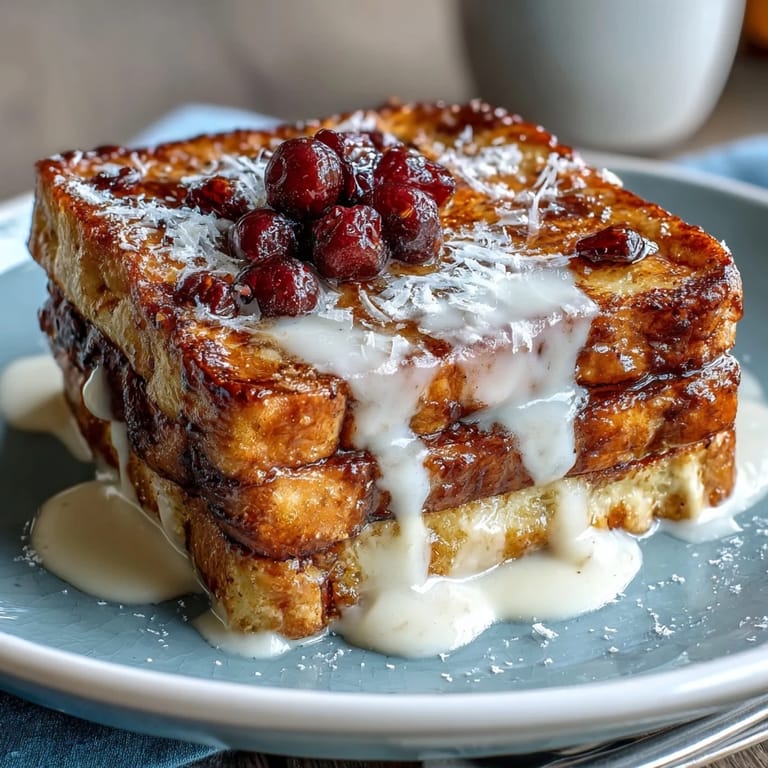
 This bake has become my go-to recipe for moments when I want breakfast to feel like an occasion without any of the usual fuss. Every time I make it, someone asks for the recipe, which tells me it's doing something right.
Recipe FAQs
- → What type of bread works best?
Sourdough bread provides the perfect texture and tang, soaking up the custard well without becoming too soggy.
- → Can I use frozen blueberries?
Yes, frozen blueberries work fine; just scatter them over the bread without thawing to prevent excess moisture.
- → How long should the custard soak?
Chilling the bake for at least 30 minutes allows the bread to absorb the custard fully, but refrigerating overnight enhances flavor and texture.
- → What is the role of lemon in this dish?
Lemon zest and juice add a bright, tangy note that balances the richness of the custard and sweetness of the blueberries.
- → Can dairy-free alternatives be used?
Absolutely, substitute plant-based milk and cream for a dairy-free version while keeping the flavors vibrant.