 Save to Pinterest
 A few years ago, I watched a pastry chef in Tokyo pipe hojicha cream into delicate choux pastries, and the aroma that escaped was unlike anything I'd experienced in a traditional French kitchen. The roasted tea had this whispered sophistication—nutty, almost smoky—that made me wonder why I'd spent so long making plain vanilla pastry cream when this existed. That afternoon, I decided to crack the code, and what emerged was this silky hojicha-infused custard that somehow tastes both grounded and refined.
I made this for the first time when my neighbor invited me to contribute to a dessert potluck, and I wanted to bring something that felt more intentional than store-bought. Watching her bite into a hojicha-filled éclair and pause for that split second before her eyes lit up—that's when I knew this recipe was worth repeating. It became the thing people asked me to bring, which felt wonderful and slightly ridiculous in equal measure.
Ingredients
- Whole milk (2 cups): Use whole milk, not reduced-fat, because the cream is built on that richness and the delicate hojicha flavor needs fat to really shine.
- Hojicha loose leaf tea (3 tablespoons): Loose leaf is infinitely better than bags because you get the full toasted character without paper-y bitterness, but bags work in a pinch.
- Unsalted butter (3 tablespoons): This is your final enrichment and what gives the cream that silky mouthfeel; don't skip it.
- Egg yolks (4 large): These are what transform milk into custard, so fresh eggs make a difference in both taste and texture.
- Granulated sugar (1/2 cup): The sweetness balances the earthiness of the tea without overpowering it.
- Cornstarch (3 tablespoons): This is your thickening agent and keeps the cream stable; arrowroot works too if you prefer.
- Vanilla extract (1/2 teaspoon): Just enough to round out the flavor without competing with the hojicha.
- Salt (pinch): This does the quiet work of lifting every other flavor without announcing itself.
Tired of Takeout? 🥡
Get 10 meals you can make faster than delivery arrives. Seriously.
One email. No spam. Unsubscribe anytime.
Instructions
- Heat the milk gently:
- Pour the milk into a medium saucepan and warm it over medium heat until you see steam rising and tiny bubbles forming around the edges, but don't let it boil or you'll scald it. You'll know it's ready when it smells warm and familiar.
- Steep the hojicha:
- Add the loose leaf tea to the hot milk, then immediately remove from heat and cover the saucepan. Let it sit undisturbed for exactly 10 minutes—this is where the magic happens as the tea releases its toasted, nutty character into the milk.
- Strain with intention:
- Pour the milk through a fine mesh sieve into a bowl, using the back of a spoon to gently press the tea leaves so you capture every drop of that infused flavor. Discard the spent leaves and set the hojicha milk aside to cool slightly.
- Whisk the yolks into pale submission:
- In a clean bowl, combine egg yolks, sugar, cornstarch, and salt, then whisk for about a minute until the mixture turns lighter in color and falls from the whisk in ribbons. This aeration is important—don't rush it.
- Temper with patience:
- Pour the warm hojicha milk into the yolk mixture in a slow, steady stream while whisking constantly, as if you're coaxing the eggs to accept the heat gradually. This prevents scrambled eggs and keeps your cream silky.
- Cook until it thickens:
- Return the entire mixture to the saucepan over medium heat and whisk constantly for 2 to 3 minutes until you see bubbles breaking the surface and the cream coats the back of a spoon. The texture should go from pourable to luxuriously thick.
- Finish with butter and vanilla:
- Remove from heat and whisk in the butter and vanilla extract until completely smooth and incorporated. The butter melts into the warm cream like silk, and the vanilla softens any sharp edges.
- Prevent the skin:
- Transfer the cream to a clean bowl and press plastic wrap directly onto the surface so no air touches it. This simple step prevents that rubbery skin from forming while it cools.
- Chill thoroughly:
- Refrigerate for at least 1 hour, though 2 hours is even better—the cream continues to set and the flavors deepen as it rests. Cold hojicha cream is where it reaches its best texture.
- Whisk before using:
- When you're ready to fill your pastries or cakes, give the cream a quick whisk to smooth out any slight separation and restore its silky consistency.
 Save to Pinterest
 There's something quietly moving about serving a dessert that tastes both familiar and unexpected, where someone's palate catches the hojicha and leans forward with curiosity. That moment of recognition—when the toasted tea flavor lands and they realize it's not just chocolate or vanilla—is why I keep making this cream. It's become the filling that bridges two kitchens and two cultures in one perfectly spoonable bite.
The Hojicha Advantage
Hojicha is roasted green tea, so the flavor profile is naturally mellow and grounded rather than grassy or astringent. Unlike matcha, which can feel aggressive if not balanced properly, hojicha whispers into a dessert, adding depth without dominating. Every time I make this cream, I'm reminded that not every flavor needs to announce itself to make an impression.
When to Lighten It
If you want an airier filling for delicate choux or a lighter cake layer, fold whipped cream into the hojicha pastry cream just before using. This transforms it from rich and spoonable into cloud-like while keeping every bit of the hojicha character. I do this when I'm feeling generous or when the pastries themselves are particularly delicate.
Ways to Use This Beyond Cream Puffs
The beauty of pastry cream is its versatility, and hojicha's warm earthiness pairs with more than just choux. Layer it between thin sponge cake slices, use it as the base for a hojicha tart, or even dollop it onto fresh berries for an unexpected finish. Each application reveals something slightly different about the tea's character.
- Try pairing it with matcha choux pastry for a full Japanese-inspired dessert that feels cohesive and intentional.
- It keeps in the refrigerator for up to 3 days, so you can make it ahead without stress.
- If you can't find hojicha, high-quality black tea steeped for the full 10 minutes offers a similar warm, toasted note.
 Save to Pinterest
 This pastry cream has quietly become the filling I reach for when I want to impress someone without turning the kitchen into a disaster zone. It's comforting in how straightforward it is, and thrilling in how it tastes.
Recipe FAQs
- → How is hojicha flavor infused into the custard?
The hojicha tea leaves are steeped in warm milk to extract their toasted and smoky flavor before mixing with the custard base.
- → Can I substitute hojicha loose leaf with powder?
Yes, hojicha powder can be whisked directly into warm milk, using about 2 teaspoons for the same aromatic effect.
- → What texture should the custard have after chilling?
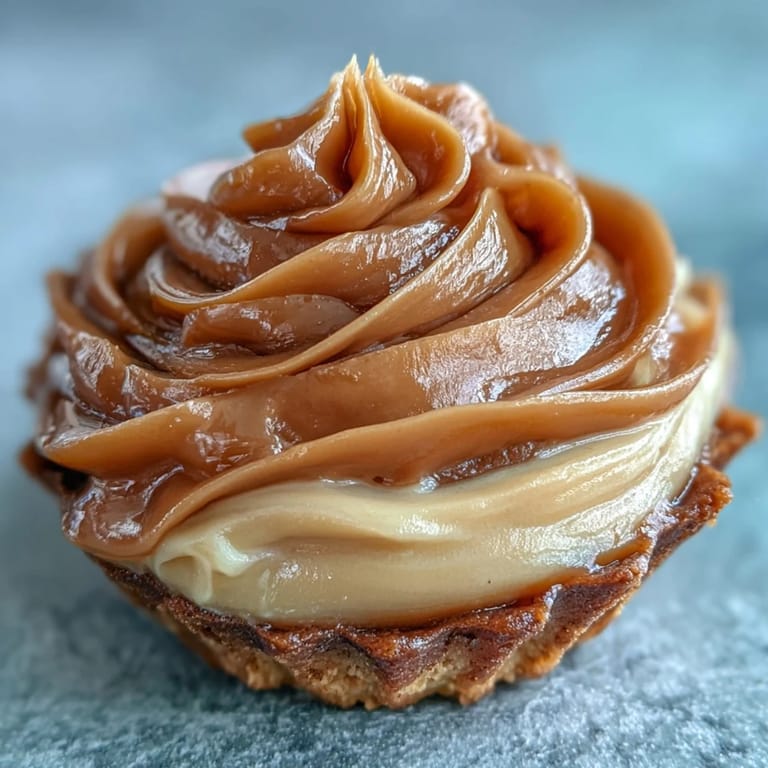
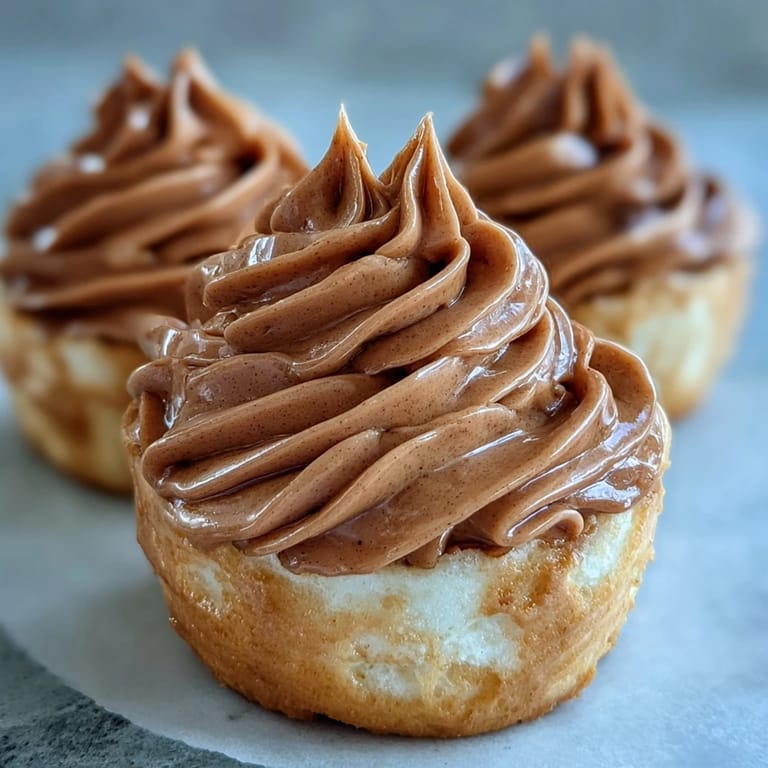
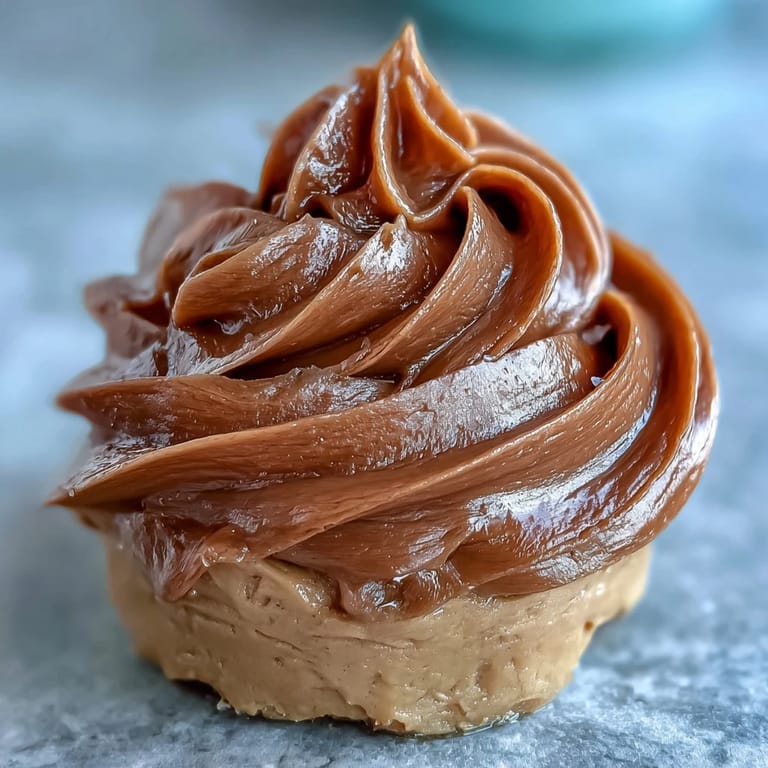
Once chilled, the custard becomes smooth and creamy, thick enough to hold shape when piped into pastries or layered desserts.
- → Is it possible to lighten the custard for a fluffier filling?
Folding in whipped cream gently before use can create a lighter, airier texture suitable for delicate applications.
- → Which pastries pair well with this hojicha custard?
This creamy filling complements matcha choux pastries, éclairs, cream puffs, or layered cakes with Japanese-French fusion flavors.