 Save to Pinterest
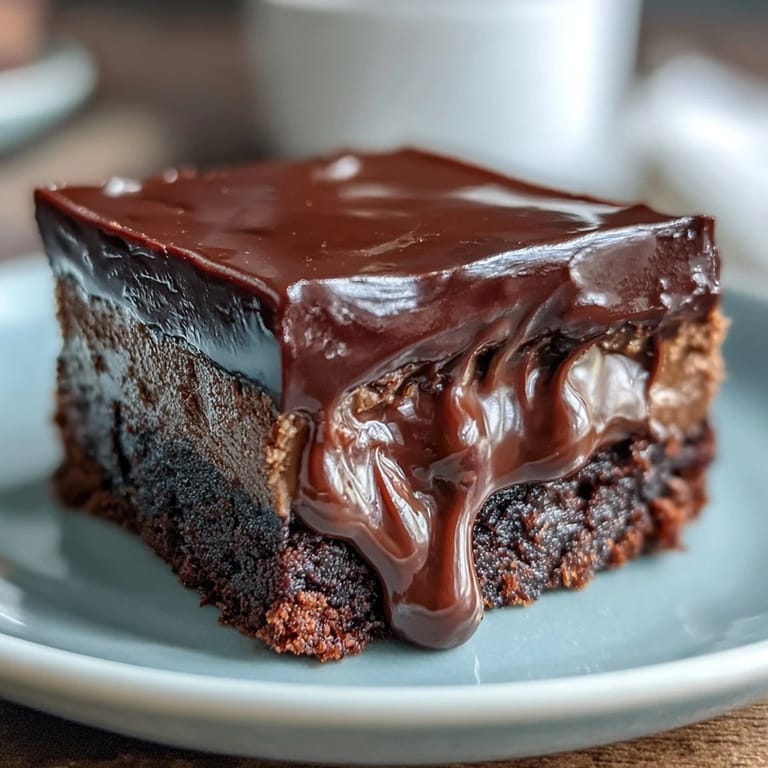
 My colleague brought hojicha fudge to the office last winter, and I remember standing by the break room window, watching the snow fall while this impossibly rich square melted on my tongue. The flavor wasn't quite chocolate, wasn't quite tea—it was this beautiful in-between space that made me taste it three more times just to understand what was happening. That afternoon, I decided I needed to learn how to make it, and what started as curiosity turned into something I now make whenever I want to remind myself that the best desserts don't need to be complicated.
I made this for a dinner party in autumn, and my friend Sarah kept gravitating back to the dessert plate, saying it reminded her of a tea shop in Kyoto she'd visited years ago. We ended up talking for an hour about travel and flavors and how sometimes food can unlock a whole mood or memory. That's when I realized this fudge isn't just candy—it's a conversation starter, a moment of connection.
Ingredients
- Dark chocolate (60–70% cacao), 200 g, chopped: This is your foundation—don't cheap out here because the quality directly affects how smooth and luxurious your fudge becomes.
- Milk chocolate, 100 g, chopped: This sweetens and softens the dark chocolate's intensity without making the fudge cloying.
- Unsalted butter, 100 g, cut into pieces: The butter creates that silky texture that makes the fudge melt rather than sit heavy on your tongue.
- Sweetened condensed milk, 1 can (397 g): This is the secret to fudge's dense, almost creamy consistency—it eliminates the grainy texture you get with regular sugar.
- Hojicha powder, 2 tbsp: Roasted green tea powder tastes completely different from matcha (which is grassy and bright), so don't substitute—hojicha is toasty, warm, and almost smoky.
- Vanilla extract, 1 tsp: A small amount rounds out the flavors and prevents the hojicha from tasting one-dimensional.
- Salt, a pinch: This tiny amount amplifies the chocolate and tea flavors without announcing itself.
Tired of Takeout? 🥡
Get 10 meals you can make faster than delivery arrives. Seriously.
One email. No spam. Unsubscribe anytime.
Instructions
- Prepare your pan like you mean it:
- Line your square pan with parchment paper and leave some overhang on two sides—this becomes your handle for lifting the whole fudge block out later, which is so much easier than trying to scrape it out piece by piece.
- Build your chocolate base:
- Chop your chocolates and butter into roughly the same size pieces so they melt evenly. Place them in a heatproof bowl and set it over a saucepan of simmering water, making sure the bowl doesn't actually touch the water—steam is your friend here, direct heat is your enemy.
- Melt with patience:
- Stir gently and steadily, watching the chocolate transform from chunks to glossy liquid. This usually takes about 5 minutes, and the smell alone is worth doing this by hand instead of using a microwave.
- Welcome the hojicha into the fold:
- Remove the bowl from heat and add your sweetened condensed milk first—the warmth of the chocolate will make it blend smoothly. Then add your hojicha powder, vanilla, and salt, and stir until you see no flecks of powder floating around.
- Pour and smooth:
- Transfer the mixture to your prepared pan and use a spatula to create an even surface—it doesn't need to be perfect, but level fudge cuts into neater pieces.
- Let time do the work:
- Refrigerate for at least 2 hours until it's completely set. I like to leave mine overnight because the flavors actually develop and deepen after sitting.
- Cut with confidence:
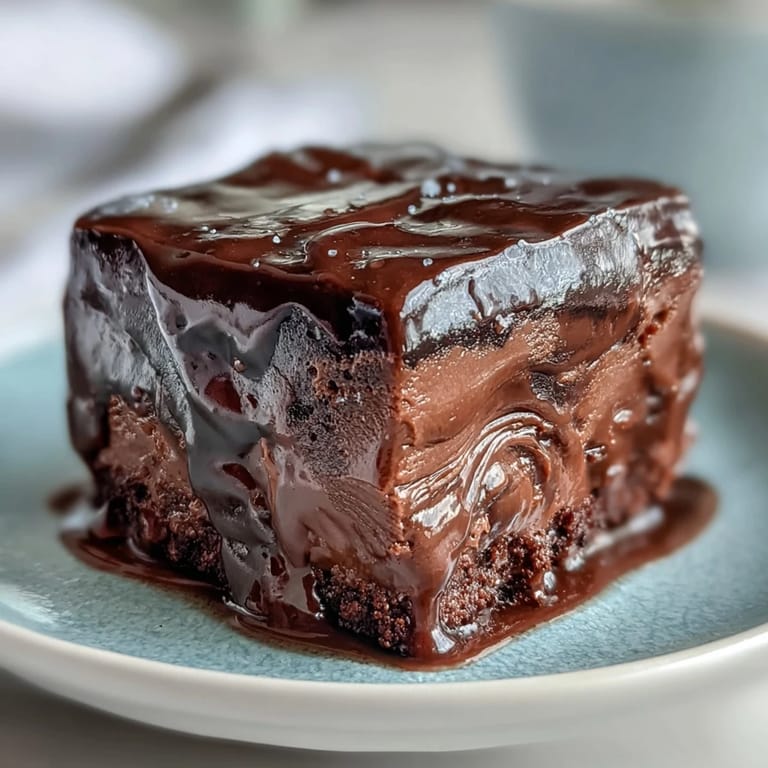
- Lift the whole block out using your parchment overhang and place it on a cutting board. Use a sharp knife and wipe it clean between cuts—this prevents the pieces from looking ragged.
 Save to Pinterest
 My neighbor knocked on my door one afternoon asking if something smelled amazing, and I handed her a square wrapped in parchment paper. She texted me later that evening saying she'd shared it with her daughter, and they'd had this quiet moment together tasting something neither of them had experienced before. That's the real magic of this recipe—it transforms an ordinary day into something a little bit special.
When to Add Crunch
If you want texture beyond that melt-in-your-mouth smoothness, fold in about 50 grams of toasted chopped walnuts or almonds right after you stir in the hojicha powder. The nuttiness complements the toasted tea flavor beautifully, and the crunch keeps every bite interesting. Toast your nuts yourself if you can—store-bought roasted nuts sometimes taste stale, and fresh toasted ones make a real difference.
Storage and Shelf Life
Keep your fudge in an airtight container in the refrigerator, and it'll stay perfect for up to a week. If you're in a warm climate or your kitchen runs hot, store it in the coldest part of your fridge because fudge can soften and lose its structure if it gets too warm. I've also successfully frozen pieces in a freezer bag for up to a month—just let them come to room temperature for a few minutes before eating so you can actually taste the hojicha.
Pairing and Serving Ideas
Serve this fudge with a cup of unsweetened green tea or a light dessert wine, and you've created an actual dessert course instead of just eating candy. The hojicha flavor bridges the gap between the fudge and the tea, so they feel like they were meant for each other. Here's how to make it memorable:
- Pair it with sencha or genmaicha tea for a completely Japanese-inspired afternoon.
- Dust the top with a tiny bit of cocoa powder or extra hojicha powder just before serving for visual appeal and an extra flavor hit.
- Cut pieces into smaller bites if you're serving at a gathering—this fudge is rich enough that people appreciate modest portions.
 Save to Pinterest
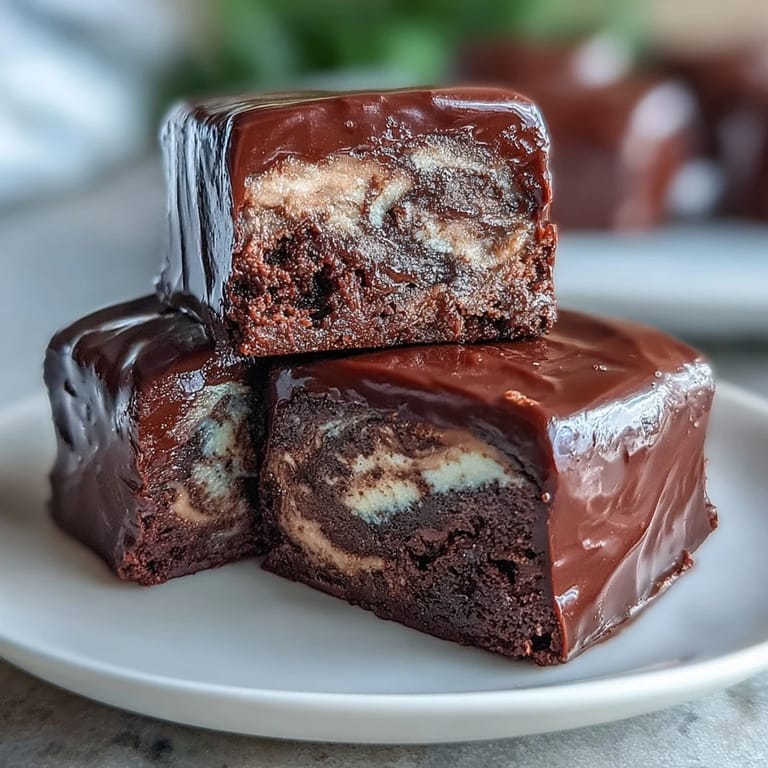
 This fudge has become my answer to the question of what to bring when I want to show up for someone without spending all day cooking. It's the kind of dessert that makes people feel seen, tasted, and remembered.
Recipe FAQs
- → What is hojicha and how does it affect flavor?
Hojicha is roasted green tea powder that imparts a unique nutty aroma and a smoky undertone, enriching the chocolate base with depth and warmth.
- → Can I add nuts to the fudge?
Yes, folding in toasted chopped walnuts or almonds before setting adds a delightful crunch and complements the smooth texture.
- → Why use a double boiler method for melting ingredients?
The double boiler gently melts the chocolate and butter without direct heat, preventing scorching and ensuring a smooth, glossy mixture.
- → How long should the fudge be chilled?
Chilling the fudge for at least 2 hours allows it to set firmly, creating the signature dense and rich texture.
- → Can I substitute hojicha with matcha?
Hojicha provides a roasted, nutty profile distinct from matcha's grassy taste, so substituting will alter the flavor balance significantly.
- → What is the best way to store this fudge?
Store the fudge in an airtight container in the refrigerator, preserving its freshness and texture for up to one week.