 Save to Pinterest
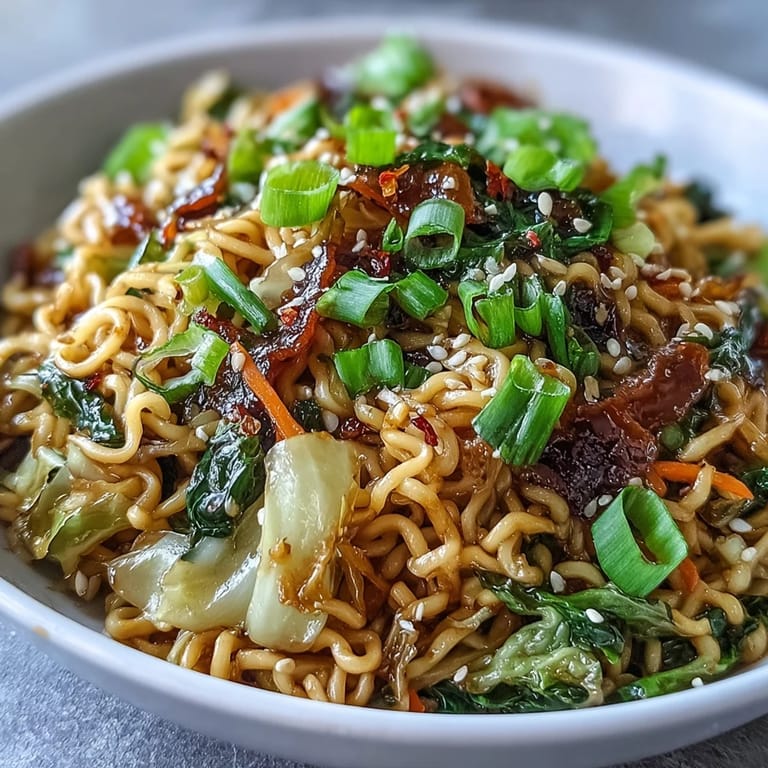
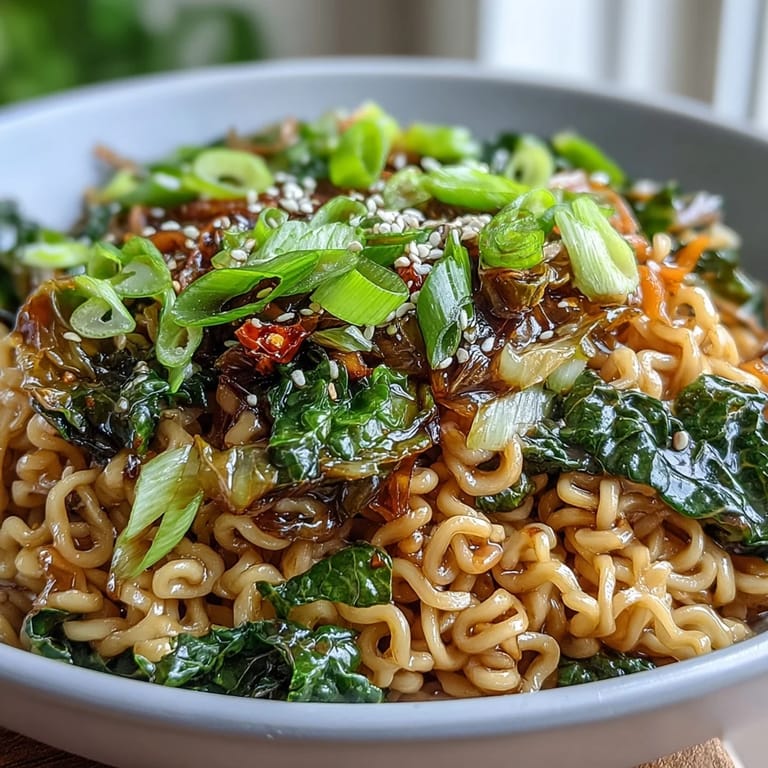
 My first attempt at fried cabbage ramen happened on a Tuesday when my fridge was nearly empty and I was too tired to go shopping. I had half a cabbage, some wilted scallions, and two forgotten packs of instant noodles shoved in the back of the pantry. What started as desperation turned into one of those accidental wins that you end up making on repeat. The cabbage crisped up at the edges, the noodles soaked up this quick sauce I threw together, and suddenly I had a dinner that tasted like I'd put in way more effort than I actually did.
I remember making this for my roommate one night after she came home late from work, stressed and starving. She stood in the kitchen doorway, watching me toss everything together in the wok, and said it smelled like the little noodle stalls she used to visit in college. When she took her first bite, she got quiet for a second, then just nodded and kept eating. Sometimes the best compliment is when someone stops talking and focuses entirely on their plate.
Ingredients
- Green cabbage: Slice it thin so it cooks quickly and gets those crispy, browned edges that make this dish addictive instead of bland.
- Carrot: Julienned carrots add a pop of color and a slight sweetness that balances the salty sauce without stealing the show.
- Scallions: Separating the whites and greens matters more than you think, the whites cook down and mellow, while the greens stay sharp and fresh as garnish.
- Garlic and ginger: These two are your aromatic foundation, and grating the ginger instead of chopping it distributes the flavor more evenly without leaving big fibrous bits.
- Instant ramen noodles: Toss those seasoning packets, you are making your own sauce, and the noodles themselves are just the perfect chewy base that soaks up flavor.
- Soy sauce: This is your salt and umami in one, and a good quality soy sauce will make the whole dish taste more rounded and less one note.
- Oyster sauce: It adds a deep, slightly sweet richness that makes the sauce cling to the noodles, or swap it for mushroom sauce if you are keeping it vegan.
- Toasted sesame oil: Just a tablespoon brings this nutty, toasted aroma that makes everything smell like it came from a real kitchen, not a dorm room.
- Rice vinegar: A tiny splash of acid brightens the whole dish and keeps it from tasting too heavy or flat.
- Sugar: A single teaspoon balances the salty and tangy elements and helps the cabbage caramelize a little faster.
- Chili flakes: Optional, but they add a gentle warmth that builds as you eat without overwhelming the other flavors.
- Vegetable oil: You need something neutral with a high smoke point to get that wok heat going and crisp up the cabbage properly.
Tired of Takeout? 🥡
Get 10 meals you can make faster than delivery arrives. Seriously.
One email. No spam. Unsubscribe anytime.
Instructions
- Cook the noodles:
- Bring a pot of water to a rolling boil, drop in the ramen noodles, and cook them just until they separate and soften. Drain them well and set them aside, they will finish cooking in the pan later.
- Mix the sauce:
- In a small bowl, whisk together the soy sauce, oyster sauce, sesame oil, rice vinegar, sugar, and chili flakes until the sugar dissolves. This takes thirty seconds and makes everything come together faster when you are standing over a hot stove.
- Start the aromatics:
- Heat the vegetable oil in a large skillet or wok over medium high heat until it shimmers. Add the garlic, ginger, and the white parts of the scallions, stirring constantly for about a minute until they smell toasty and fragrant but not burned.
- Fry the vegetables:
- Toss in the cabbage and carrot, spreading them out in the pan so they make contact with the heat. Stir fry for four to five minutes, letting the cabbage sit undisturbed for a few seconds at a time so it can brown and crisp at the edges.
- Combine everything:
- Add the cooked noodles to the skillet, pour the sauce over the top, and toss everything together with tongs or a spatula for two to three minutes. You want the noodles to soak up the sauce and get coated evenly while everything heats through.
- Finish and serve:
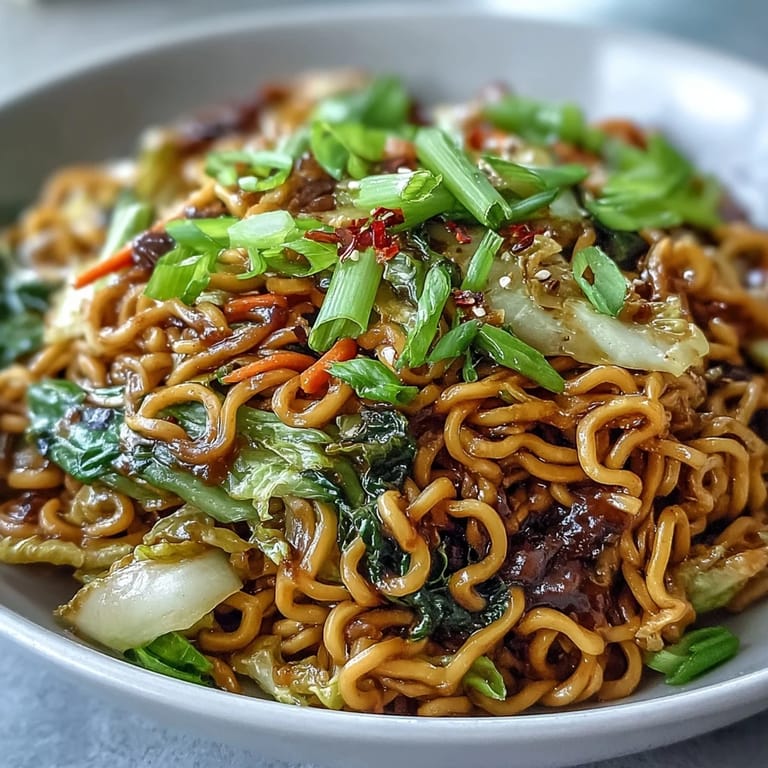
- Pull the pan off the heat, scatter the green parts of the scallions over the top, and serve immediately while it is still steaming. The contrast between the hot noodles and the fresh scallions is part of what makes this feel complete.
 Save to Pinterest
 This dish became my go to whenever I needed to feed someone quickly without making it obvious I was winging it. One night, a friend dropped by unannounced, and I made this while we caught up at the kitchen counter. She kept reaching for more with her chopsticks, and eventually just pulled the pan closer to her side of the counter. That is when I knew it had become more than just a lazy dinner, it was the kind of food that made people stay a little longer.
What to Add for Extra Flavor
I have thrown in sliced mushrooms, bell peppers, and snap peas depending on what needed using up, and they all worked beautifully. The key is to add harder vegetables like carrots early so they have time to soften, and quicker cooking ones like snap peas toward the end so they stay crisp. If you want protein, a fried egg on top with a runny yolk turns this into something that feels like a real meal, and crumbled tofu tossed in during the last minute works just as well. Sometimes I will sprinkle toasted sesame seeds or crushed peanuts over the top for extra crunch, and it makes the whole thing feel a little more special without any real extra effort.
How to Store and Reheat
Leftovers keep in the fridge for up to two days, though the noodles will absorb more sauce as they sit and lose some of their chewiness. I reheat this in a hot skillet with a tiny splash of water or soy sauce to loosen everything up, and it brings back some of that freshness. Microwaving works in a pinch, but you will not get the same texture, and the cabbage tends to go limp. If I know I am making this for meal prep, I will sometimes keep the noodles and vegetables separate until I am ready to eat, then toss them together quickly in a hot pan.
Swaps and Substitutions
If you need this to be gluten free, swap the ramen for rice noodles and use tamari instead of soy sauce, just double check your oyster or mushroom sauce label. For a vegan version, mushroom sauce works perfectly in place of oyster sauce and adds a deep, earthy flavor that I actually prefer sometimes. You can use any neutral oil you have on hand, though I have found that a little bit of toasted sesame oil mixed in with the vegetable oil at the start adds even more depth.
- Try using napa cabbage or bok choy if you want something a little more delicate and faster cooking.
- Lime juice can replace rice vinegar if that is what you have, it will taste a little brighter and more citrusy.
- A dash of hoisin sauce stirred into the sauce mix adds sweetness and complexity if you are in the mood to experiment.
 Save to Pinterest
 This recipe has pulled me out of more uninspired dinner ruts than I can count, and it never feels like I am settling. Keep the ingredients on hand, and you will always have something warm, satisfying, and surprisingly good ready in less time than it takes to decide on takeout.
Recipe FAQs
- → Can I use fresh noodles instead of instant ramen?
Yes, you can substitute fresh ramen or any Asian-style wheat noodles. Cook according to package directions and adjust the sauce quantities if needed for better coating.
- → How do I make this completely vegan?
Replace oyster sauce with mushroom sauce or hoisin sauce, and ensure your ramen noodles don't contain animal products. Check all sauce labels for hidden animal ingredients.
- → What other vegetables work well in this stir-fry?
Bell peppers, snap peas, mushrooms, bok choy, or bean sprouts are excellent additions. Add firmer vegetables earlier in the cooking process and delicate greens toward the end.
- → Can I prepare this dish ahead of time?
This dish is best served immediately for optimal texture. However, you can prep vegetables and sauce in advance and stir-fry just before serving to maintain the cabbage's crunch.
- → How can I add more protein to this meal?
Top with a fried or soft-boiled egg, pan-fried tofu, edamame, or cooked chicken. You can also stir in scrambled eggs during the final tossing stage.
- → What's the best way to get crispy cabbage edges?
Use high heat and avoid overcrowding the pan. Let the cabbage sit undisturbed for 30-60 seconds between stirs to allow caramelization and browning at the edges.