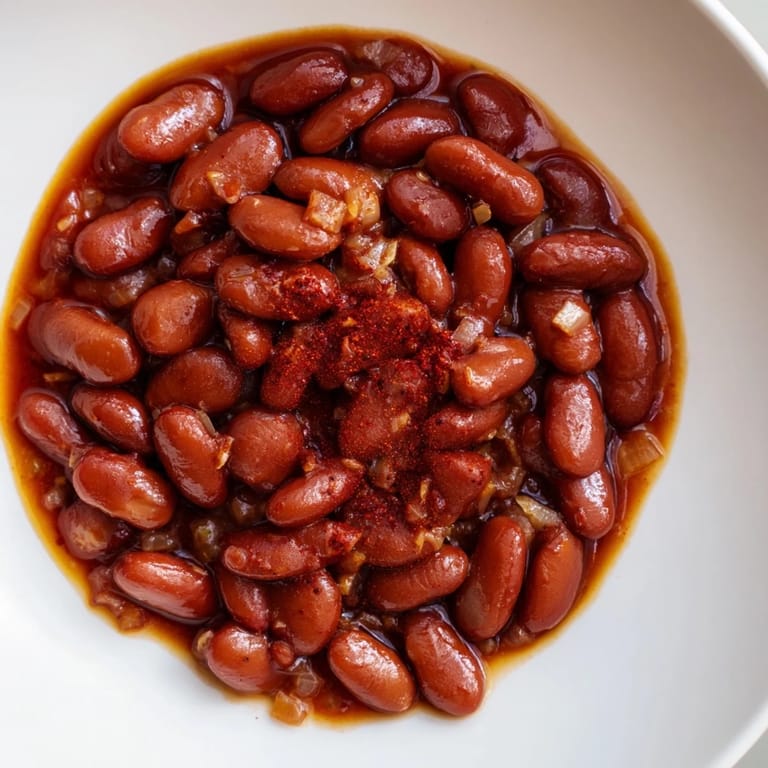
 Save to Pinterest
 My grandfather's kitchen always smelled like molasses and smoke on Sunday afternoons, and I didn't fully understand why until I watched him stir a pot of baked beans for hours, the sauce darkening into something almost glossy and alive. The beans themselves seemed to disappear into the sauce, becoming part of something larger and richer than their individual selves. Years later, I realized he wasn't just making a side dish—he was building the anchor for whatever meal came next, whether it was a backyard barbecue or a quiet breakfast the morning after. Now when I make this version, I taste his patience in every spoonful.
I made these for a camping trip once, baking them in a Dutch oven over a campfire while my sister kept insisting we should just order pizza. By the time the sauce had thickened and the first spoonful hit her tongue, she went quiet in that particular way that means you've won. We ate them straight from the pot at midnight, sitting under trees, and I've never forgotten how something so simple made everyone stop talking and just listen to their own contentment.
Ingredients
- Navy beans (dried or canned): Use dried if you have time—they hold their shape better and taste less tinny than canned. If you're using canned, drain and rinse them thoroughly to wash away the starchy liquid that can make the sauce gummy.
- Molasses or dark treacle: This is the soul of the dish, bringing a deep, almost smoky sweetness that brown sugar alone can never reach. Don't skip it or substitute with regular molasses if you can find the darker version.
- Onion and garlic: Chop the onion small enough that it dissolves into the sauce rather than staying visible—this helps build flavor without texture.
- Tomato paste: A concentrated layer of umami that makes the whole sauce taste intentional and developed, not just thrown together.
- Smoked paprika: The quiet hero that gives these beans a campfire quality without any actual smoke.
- Apple cider vinegar: A small splash of brightness that keeps the sauce from tasting flat or one-note, even though you'll barely taste it directly.
- Dijon mustard: Another umami boost that adds complexity and helps balance the sweetness with a subtle tang.
- Water: Use enough that the beans have room to move and absorb sauce, but not so much that you're making soup—you want the sauce to cling and thicken.
Tired of Takeout? 🥡
Get 10 meals you can make faster than delivery arrives. Seriously.
One email. No spam. Unsubscribe anytime.
Instructions
- Prepare the beans if using dried:
- Soak them overnight in cold water, then drain and simmer in fresh water for about an hour until they're tender but not mushy. This step matters because undercooked beans will never soften in the oven, and overcooked beans will turn to mush.
- Build your base:
- Heat olive oil in your Dutch oven and let the onion soften slowly over medium heat until it's almost translucent, about five minutes. Add garlic and cook just until fragrant—don't let it brown, which turns it bitter.
- Toast the spices:
- Stir in tomato paste, smoked paprika, and black pepper, cooking for about a minute so the spices wake up and release their oils into the base. You'll smell the change immediately.
- Build the sauce:
- Add crushed tomatoes, molasses, brown sugar, mustard, vinegar, salt, and water, stirring until everything is smooth and the molasses has dissolved. The sauce should look rich and glossy.
- Combine with beans:
- Fold in your drained beans, making sure every bean gets coated in sauce and nothing sticks to the bottom of the pot. This is where the dish really comes together.
- Into the oven:
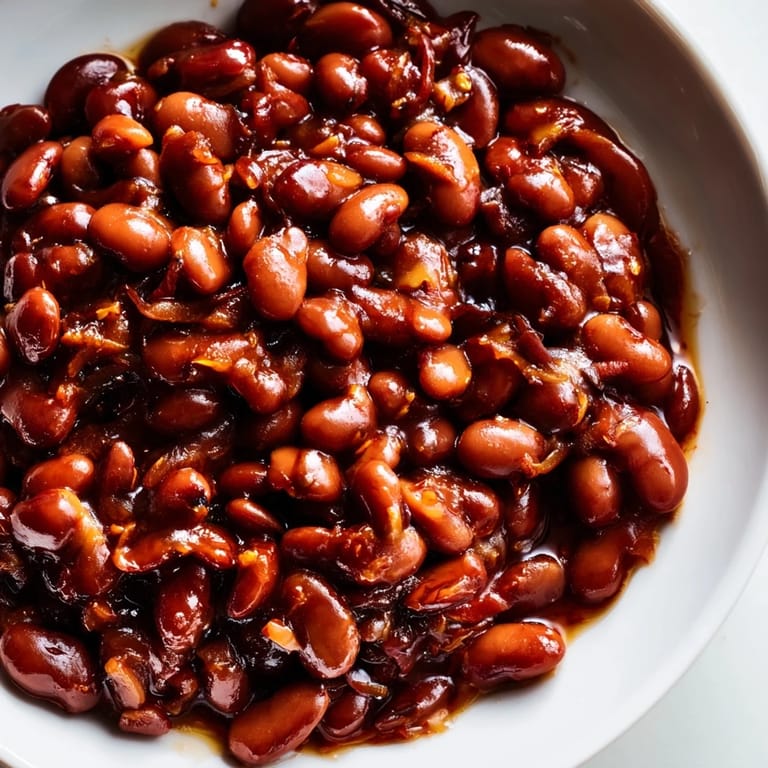
- Cover and bake at 160°C (325°F) for 1½ to 2 hours, stirring occasionally so nothing sticks and the flavors stay even. The sauce will thicken, darken slightly, and transform into something completely different from where it started.
 Save to Pinterest
 I served these at a neighborhood potluck once, and they were gone before most people had finished their first plate of everything else. A neighbor asked for the recipe, and when I told her my secret was just time and molasses, she looked slightly disappointed—like she was hoping for something more exotic. But that's the beauty of this dish: it's not about tricks or ingredients you have to hunt for. It's about showing up and letting slow heat do what fast heat never can.
Flavor Building: Why Every Ingredient Earns Its Place
This recipe doesn't have any filler—every single ingredient exists to build layers of taste that work together. The mustard and vinegar aren't about making things tangy; they're there to keep the sweetness from becoming cloying and to wake up your taste buds after you've had a few bites. The smoked paprika does something similar but in a different direction, adding smoke where there isn't any. Understanding this means you can tweak things confidently if you want to—more vinegar if you like brightness, a touch less molasses if you prefer it less sweet, a pinch more paprika if you want to push the campfire angle further.
Timing and Temperature: The Engine Behind Tenderness
Slow, steady heat at 160°C (325°F) is the exact opposite of exciting cooking, but it's what transforms individual beans into something unified and tender. Higher heat would make the outside of the beans burst while the inside stayed hard; lower heat would take forever. This middle temperature, held for about two hours, lets the beans absorb sauce slowly while their starches break down and the sauce has time to reduce and concentrate. It's patient work, but the results feel effortless—which is exactly what good cooking should feel like when you sit down to eat it.
Variations and Personal Touches
The basic version here is wonderful, but it's also a foundation for whatever you want it to become. If you have bacon, dice it, cook it until crispy, and add it to the sauce; the rendered fat will enrich everything and a smoky note will deepen naturally. If you have liquid smoke and want that effect without meat, a few drops stirred in at the end works beautifully. You can swap the navy beans for cannellini or pinto beans, though the texture will shift slightly—navy beans stay firmer longer, which is why they're classic for this.
- Add diced cooked bacon or a few drops of liquid smoke for a deeper, smokier flavor.
- Stir in a tablespoon of soy sauce for extra umami depth if you want to push the savory direction.
- Taste and adjust seasoning before serving—a pinch more salt or vinegar can bring everything into focus.
 Save to Pinterest
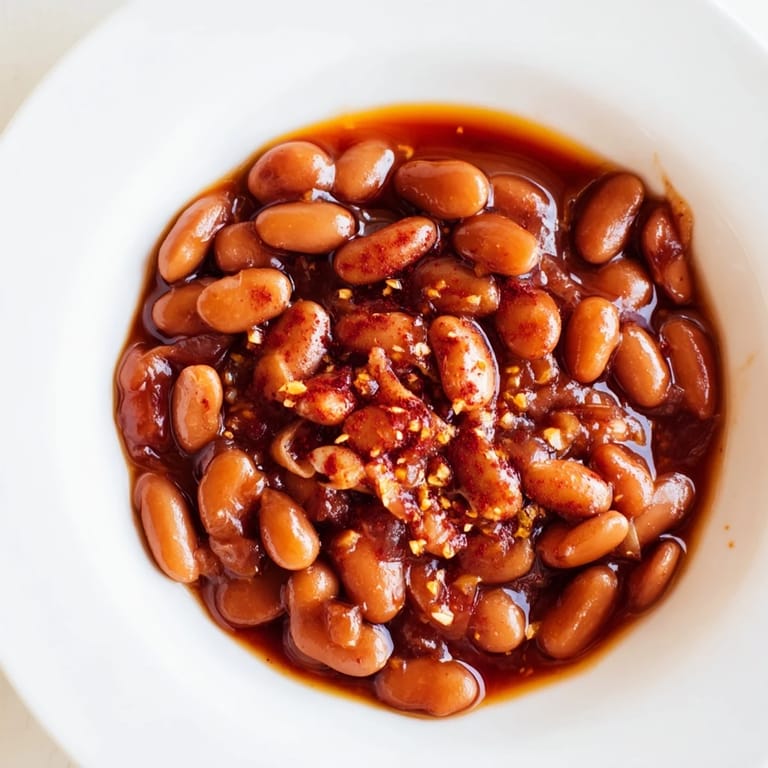
 Baked beans are honest food, the kind that asks nothing of you except patience and a Dutch oven. They feed you warm and full, and they make whatever meal they're part of feel like it was worth the effort.
Recipe FAQs
- → What beans work best for slow cooking?
Dried navy beans soak overnight to ensure tender, even cooking. Canned beans can be used for convenience but require less cooking time.
- → How does molasses affect the flavor?
Molasses adds a rich, deep sweetness that balances the acidity of the tomatoes and enhances the sauce’s complexity.
- → Can this dish be made smoky without bacon?
Yes, adding a few drops of liquid smoke or smoked paprika imparts a smoky aroma without meat.
- → What cooking vessel is recommended?
An ovenproof pot or Dutch oven is ideal for even heat distribution during the slow baking process.
- → How to adjust seasoning before serving?
Taste the sauce after baking and adjust salt, pepper, or acidity with a splash of vinegar to balance flavors.