 Save to Pinterest
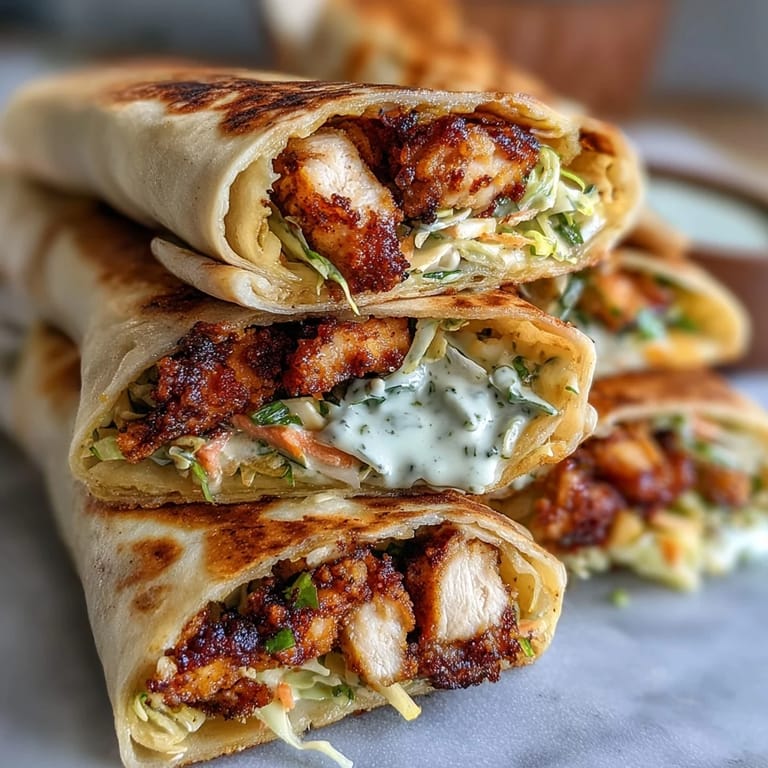
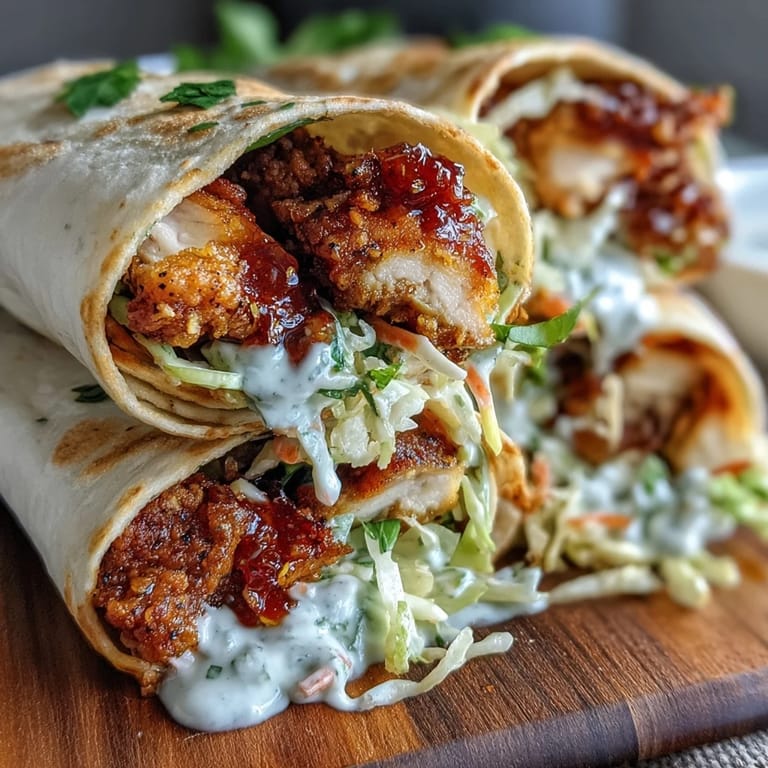
 My roommate came home with a box of Korean fried chicken one Tuesday night, and instead of eating it plain, she tore it into strips, threw it in a tortilla with some quick-pickled vegetables, and suddenly we had something entirely new on our hands. That moment of kitchen improvisation stuck with me, so I started experimenting with turkey, buttermilk baths, and Korean gochujang slaw until these wraps became the thing I crave at 3 PM when nothing else sounds right. There's something about the contrast—crispy on the outside, tender inside, wrapped up with that bright, tangy slaw and a whisper of sesame—that just works.
I made these for a potluck once, skeptical about whether fusion wraps would win over a crowd that typically gravitates toward familiar things. But watching people reach for a second one, then asking for the recipe—that's when I knew this wasn't just a kitchen experiment anymore. It became the dish I bring when I want to show up a little differently.
Ingredients
- Turkey or chicken breast (400 g): Sliced thin ensures even cooking and maximum crispiness; thicker strips stay soggy in the middle.
- Buttermilk or yogurt (100 ml): The acid tenderizes the protein while the dairy coats each piece, helping spices stick and creating a tender interior.
- Garlic powder, onion powder, smoked paprika (1 tsp each): These three are non-negotiable for depth; smoked paprika especially adds a subtle sweetness that balances the heat.
- All-purpose flour and cornstarch (100 g and 50 g): The cornstarch is the secret—it fries up incredibly crispy and doesn't absorb oil like straight flour does.
- Egg (1 large): Your binding agent that helps the coating adhere without sliding off into the pan.
- Vegetable oil (200 ml): Medium-high heat needs neutral oil; any less oil and you're essentially pan-frying, which changes the texture entirely.
- Napa cabbage (200 g): Stays crisp longer than regular cabbage and has a delicate sweetness that plays well with the spiced meat.
- Gochujang, rice vinegar, honey, sesame oil (1 tbsp each): This combination creates a sauce that's salty, slightly funky, tangy, and rich all at once—the backbone of the whole wrap.
- Sesame seeds (1 tsp): Toast your own if possible; the difference between toasted and raw is honestly night and day.
- Flour tortillas (4 large): Go for the freshest ones you can find; day-old tortillas crack when you fold them.
- Ranch dressing or gochujang-mayo (4 tbsp): This is your moisture and flavor bridge; don't skip it or the wrap becomes dry.
Tired of Takeout? 🥡
Get 10 meals you can make faster than delivery arrives. Seriously.
One email. No spam. Unsubscribe anytime.
Instructions
- Start the marinade while you gather everything:
- Whisk buttermilk with garlic powder, onion powder, paprika, pepper, and salt in a bowl—don't hold back on the seasonings because they're about to coat your protein. Toss in your turkey or chicken strips and make sure every piece gets coated, then let them sit while you prep everything else.
- Build your slaw with intention:
- Shred and slice your vegetables into the same bowl, then whisk together gochujang, rice vinegar, honey, and sesame oil in a separate dish. Pour that dressing over the vegetables and toss it like you mean it; the salt will start drawing out water, which is exactly what you want because the slaw will stay crisp longer.
- Set up your breading station:
- Mix flour and cornstarch in one shallow bowl, beat the egg in another—having everything prepped before you start frying makes the whole process smooth. You're going to dredge, dip, dredge again, and the double coating is what creates that shattering exterior.
- Fry with confidence:
- Heat oil in a skillet over medium-high until a pinch of flour sizzles immediately when it hits the pan. Working in batches so you don't overcrowd, fry each strip for 3 to 4 minutes per side—you want deep golden brown, and the inside should be cooked through with no pink.
- Warm your tortillas right before assembly:
- A dry pan works better than the microwave because it gives them a slight char and makes them more pliable. This step takes literally one minute and changes everything about how the wrap holds together.
- Assemble like you're building something precious:
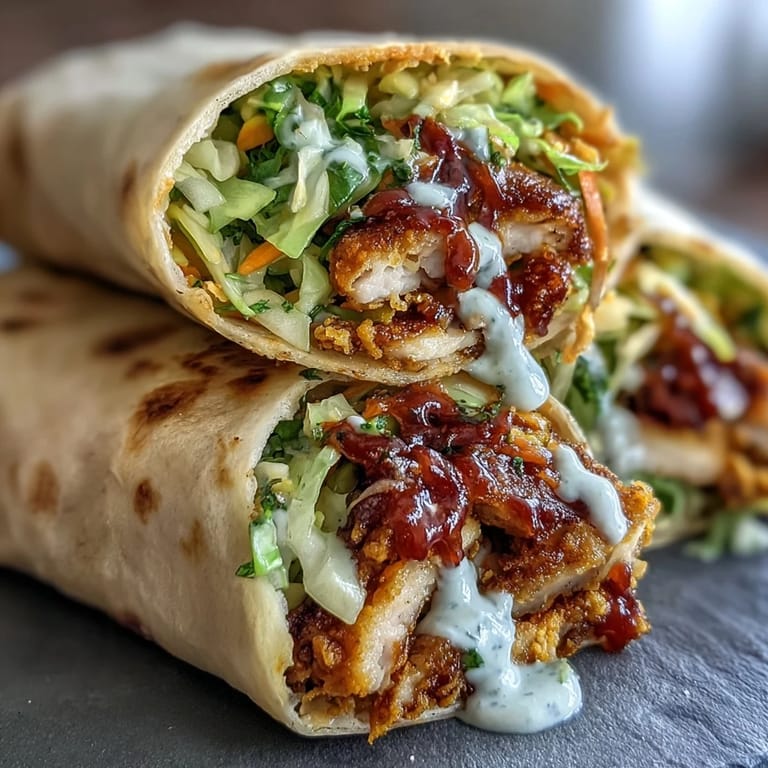
- Spread your ranch or gochujang-mayo on the tortilla, layer in slaw, add a few strips of turkey, maybe a pinch of cilantro, then fold and roll tightly so nothing slides out. Serve immediately because once the wraps sit, the heat escapes and the slaw slowly gives up its crunch.
 Save to Pinterest
 There was a night I made these for someone who said they didn't like fusion food, didn't like spicy, and usually just wanted simple things. They ate two wraps and asked if I'd teach them how to make the slaw. That's when this stopped being just a recipe and became proof that taking a risk in the kitchen can surprise people—even yourself.
The Slaw is Everything
The slaw isn't a side element here; it's doing half the heavy lifting in terms of flavor and texture. The gochujang base brings umami and a gentle heat that creeps up slowly rather than hitting you all at once, while the rice vinegar and honey keep everything bright and balanced. If you make the slaw too far ahead, the cabbage will soften, so prepare it no more than two hours before assembly—the vegetables will gradually release water and create their own light dressing, which is actually beautiful.
Oil Temperature and Frying Strategy
The key to wraps that don't feel heavy is managing your oil carefully and not cooking in batches that are too large. When you crowd the pan, the temperature drops instantly and your turkey steams instead of fries; aim for just enough pieces to cover the bottom with space between each one. I learned this the hard way by making a huge batch for a dinner party and ending up with some strips that were golden and some that looked almost translucent. Letting the oil come back to temperature between batches only adds a few minutes to your total time and makes an enormous difference.
Making These Your Own
These wraps are flexible enough that you can bend them toward whatever you have on hand or whatever you're craving that day. Use chicken if you prefer something milder, or go vegetarian with crispy tofu that's been pressed and breaded the exact same way. The slaw can be customized too—swap in red cabbage for color, add cucumber for even more crunch, or layer in quick-pickled radishes if you want extra tang and a little heat.
- Store leftover slaw in the fridge for up to three days; it actually gets better as the flavors deepen.
- Fried turkey strips can be reheated in a 350°F oven for five minutes if you're assembling wraps the next day, though they're best served fresh.
- Make the gochujang-mayo ahead by mixing equal parts gochujang and mayo; it keeps for a week and transforms any sandwich or wrap.
 Save to Pinterest
 These wraps remind me why I love cooking in the first place—it's not about following rules perfectly, but about taking things you love and seeing what happens when they collide. Make them, share them, and don't be surprised when people ask for seconds.
Recipe FAQs
- → Can I make these wraps ahead of time?
For best results, assemble wraps just before serving to maintain the crispy texture. You can prep components in advance: marinate the meat overnight, prepare the slaw up to 4 hours ahead, and have everything ready for quick assembly when needed.
- → What's the difference between using turkey versus chicken?
Turkey breast offers a slightly leaner profile with a milder flavor that absorbs the marinade beautifully. Chicken provides a more traditional taste and stays juicier during frying. Both work equally well with the seasoning blend.
- → How do I get the crispiest coating on the turkey strips?
The double dredging method creates maximum crunch—first coat in flour-cornstarch mixture, dip in egg, then coat again. Letting the marinated meat drain slightly before breading prevents excess moisture. Frying at medium-high heat ensures the coating crisps before the meat overcooks.
- → Can I bake these instead of frying?
Yes, arrange breaded strips on a baking sheet lined with parchment, spray generously with oil, and bake at 425°F (220°C) for 15-18 minutes, flipping halfway. The texture will be less crispy than deep-fried but still satisfying.
- → What can I substitute for gochujang?
Sriracha mixed with a touch of miso paste creates a similar spicy-fermented flavor. Alternatively, use sambal oelek with a small amount of soy sauce and rice vinegar to approximate the depth and heat.
- → How should I store leftovers?
Store components separately: cooled meat in an airtight container for up to 3 days, slaw refrigerated for 2-3 days, and tortillas at room temperature. Reheat meat in a 375°F oven to restore crispness before assembling fresh wraps.