 Save to Pinterest
 There's something about the way a pot of simmering soup fills the kitchen with warmth that makes everything feel manageable again. I discovered this vegetable noodle soup on a particularly gray afternoon when the weather had turned cold overnight and my pantry felt suddenly limited. What started as an attempt to use up whatever vegetables lingered in the crisper drawer became something I now make whenever the seasons shift and I need something both comforting and honest. The beauty of it is how it adapts—no two batches are ever quite the same, yet somehow they're all exactly what you need.
I made this for my neighbor when her daughter was recovering from being under the weather, and watching her actually finish a full bowl—something she hadn't done in days—reminded me why simple food matters. There's no fussiness here, just vegetables and broth and noodles doing what they do best together. She asked for the recipe that same evening, and now it's something we both reach for when life gets demanding.
Ingredients
- Carrots: Two medium ones, peeled and sliced into half-moons, provide natural sweetness and that satisfying tender-but-not-soft texture that makes soup feel nourishing.
- Celery stalks: Sliced into pieces that cook down gently, they add subtle earthiness without overpowering anything else in the pot.
- Onion: One medium onion, diced, becomes the flavor foundation—it softens quickly and creates a gentle sweetness that balances the broth.
- Potato: Peeled and diced into small cubes, it absorbs the broth's flavor while adding body and heartiness to each spoonful.
- Green beans: Cut into one-inch pieces, they stay bright and slightly crisp if you don't let them cook too long, adding a gentle vegetable bite.
- Garlic: Two cloves, minced fine, give the soup depth without any sharp edges if you sauté them properly with the onion.
- Vegetable broth: Six cups creates the liquid foundation—use good broth because it's the base everything else floats in, and a quality broth makes the difference between forgettable and crave-worthy.
- Bay leaf: One whole leaf adds a subtle herbal note that you can't quite identify but absolutely notice if it's missing.
- Dried thyme and parsley: A teaspoon each brings warmth and a slightly herbaceous quality that feels like home cooking.
- Salt and pepper: Added to taste because every broth carries its own salinity and you'll know better than any recipe what your palate needs.
- Noodles: About 120 grams of egg noodles or small pasta—they cook right in the broth and absorb all that golden flavor, or use vegan noodles if that's your path.
- Baby spinach or kale (optional): A cup of greens stirred in at the very end adds brightness and nutrients without getting cooked into submission.
- Lemon juice (optional): Just a tablespoon wakes everything up at the finish, adding a whisper of acidity that makes you taste each ingredient more clearly.
Tired of Takeout? 🥡
Get 10 meals you can make faster than delivery arrives. Seriously.
One email. No spam. Unsubscribe anytime.
Instructions
- Get your pot warm and build the base:
- Heat a large pot over medium heat and add a splash of oil if you'd like—it's not strictly necessary but it helps the onion and garlic turn golden and fragrant. Sauté the diced onion and minced garlic together for two to three minutes, stirring occasionally, until they soften and your kitchen starts to smell like something intentional is happening.
- Add the harder vegetables first:
- Toss in the sliced carrots, celery, diced potato, and green bean pieces, stirring everything together. Cook for another three to four minutes, letting them start to soften at the edges while their natural colors deepen slightly.
- Pour in the broth and seasonings:
- Add all six cups of vegetable broth at once, then drop in the bay leaf and sprinkle in the thyme, parsley, salt, and pepper. Bring the whole thing to a gentle boil, which usually takes about five minutes if your pot is large enough.
- Let it simmer and soften:
- Once it's boiling, reduce the heat to a simmer, place a lid on top, and let it bubble quietly for ten minutes. The vegetables will start becoming genuinely tender, and the broth will taste more like soup and less like hot water with vegetables floating in it.
- Add the noodles and finish cooking:
- Stir in your noodles—don't cover the pot this time so they cook evenly. Let them simmer uncovered for seven to ten minutes, stirring occasionally, until both the noodles and vegetables reach the tender point where they taste cooked through but not tired.
- Finish with greens and brightness:
- If you're using spinach or kale, add it in the final two minutes so it wilts but keeps some of its character. Right before serving, stir in the lemon juice if you're using it, and remove that bay leaf so no one finds it unexpected in their bowl.
- Taste and serve:
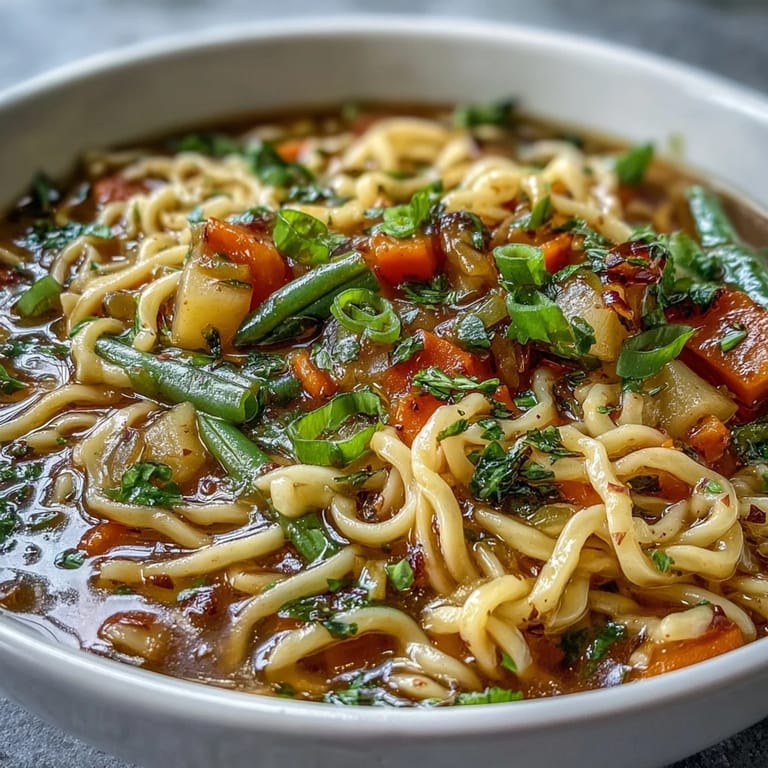
- Take a spoon, taste the broth, and adjust the seasoning one last time—you'll know if it needs more salt or pepper better than I can tell you. Ladle it into bowls and serve hot, maybe with a sprinkle of fresh parsley on top if you have it around.
 Save to Pinterest
 My partner came home one evening to find me standing at the stove, shoulders relaxed, just watching the steam rise from the pot while the whole kitchen smelled like something good was being taken care of. He asked what was for dinner, and when I said this soup, he smiled like he already knew it would be exactly what we both needed that night. That's when I understood this recipe isn't really about the vegetables or noodles—it's about permission to slow down and feed yourself something genuine.
Variations and Seasonal Swaps
The structure of this soup is so forgiving that you can honestly use whatever vegetables you have on hand, which is part of why it's become such a regular in my cooking rotation. In fall, I add diced butternut squash and fresh sage instead of thyme. During spring, snap peas and fresh dill transform it into something completely different but equally comforting. Winter is when I stick closest to the original—carrots, celery, onion, potato—but summer might bring zucchini, cherry tomatoes, and fresh basil into the pot. The vegetable broth is really the only non-negotiable; everything else is yours to play with based on what looks good and what your body is asking for.
Why This Soup Works on Cold Days
There's actual science to why warm soup feels comforting on cold days, but it's also something you feel in your bones long before you understand it intellectually. When the temperature drops and the sky turns gray, this soup delivers warmth that radiates from the inside out, and the vegetables give you something real and nourishing to hold onto. I've noticed that people eat more slowly when they're eating soup, and they seem to actually taste each component instead of just fueling up—there's something about holding a warm bowl that makes you present with the moment.
Storage, Leftovers, and Make-Ahead Tips
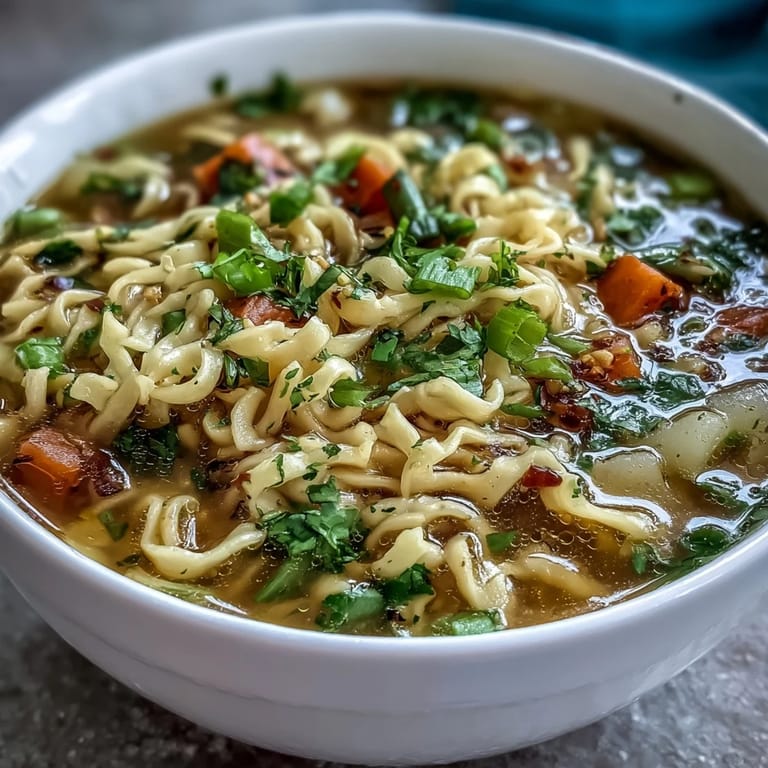
This soup stores beautifully in the refrigerator for up to four days, though I'd argue it tastes even better on day two when the flavors have had time to really get to know each other. You can freeze it in portions for up to three months, though I'd recommend leaving out the noodles if you're freezing for later—cook fresh noodles when you reheat so they don't turn into mush. For make-ahead mornings, you can chop all your vegetables the night before and store them separately in containers; the broth stays fine at room temperature until you're ready to start cooking.
- Reheat gently on the stovetop rather than blasting it in the microwave so the vegetables don't turn to mush.
- Add a splash of water or fresh broth when reheating, as the noodles continue to absorb liquid even after cooking.
- Fresh herbs like dill, basil, or cilantro stirred in at serving time can make leftovers taste like a completely new dish.
 Save to Pinterest
 Make this soup when you need to remember that good food doesn't have to be complicated to matter. It's there for you on the mornings when getting out of bed feels harder than usual, on the evenings when the day took more than it gave, and on any random Wednesday when you want something that tastes like it was made with intention.
Recipe FAQs
- → What vegetables work best in this soup?
Carrots, celery, potato, green beans, and leafy greens like spinach or kale provide a balanced flavor and texture.
- → Can I use gluten-free noodles?
Yes, swapping regular noodles for gluten-free pasta makes this dish suitable for gluten-sensitive diets.
- → How do I add more protein to this dish?
Stir in cooked chickpeas or white beans to boost protein while keeping flavors harmonious.
- → When should I add greens like spinach or kale?
Add leafy greens in the final 2 minutes of cooking to keep them fresh and vibrant.
- → What seasoning enhances this vegetable soup?
Bay leaf, thyme, parsley, garlic, salt, and pepper give a fragrant and balanced herb profile.