 Save to Pinterest
 My sister called one spring afternoon asking if I could bring dessert to her garden party, and I found myself staring at a dusty bottle of limoncello in my cabinet that had been there since the previous summer. It felt like a sign. I decided to transform that citrus liqueur into something warm and comforting, not just a shot in a frozen glass. The result was this pound cake, and watching guests close their eyes after that first bite made me understand why this cake has become my go-to for celebrations.
I'll never forget the kitchen chaos of that first batch. My eggs were cold from the fridge, the batter broke, and I nearly threw the whole thing away in frustration. But a baker friend texted back quickly with reassurance, and somehow it worked anyway. The cake emerged golden and fragrant, and my sister's guests asked for the recipe before dessert plates even left the table.
Ingredients
- All-purpose flour (2 1/2 cups): Sift it first if you have time, but honestly the baking powder does most of the lifting work here, so don't stress if you skip that step.
- Baking powder and salt (1/2 tsp each): These quiet ingredients prevent the cake from becoming a dense, salty brick, so measure them honestly.
- Unsalted butter, softened (1 cup): Room temperature is non-negotiable here; cold butter won't cream properly and you'll end up with a grainy mess.
- Granulated sugar (2 cups): This feeds the butter into light, fluffy submission during creaming, which is where the tender crumb starts.
- Large eggs at room temperature (4): Cold eggs seize up the batter and create lumps that won't disappear; let them sit out for 30 minutes if you forgot.
- Limoncello liqueur (1/3 cup): This is the soul of the cake, adding brightness and a hint of boozy depth that makes people wonder what your secret is.
- Whole milk at room temperature (1/4 cup): It balances the limoncello's strength and keeps the crumb tender without making it wet.
- Fresh lemon juice (1/4 cup): Bottled juice will work in a pinch, but fresh lemon brings a snap that transforms this from nice to memorable.
- Lemon zest from 2 lemons: Use a microplane and don't dig into the bitter white pith; the yellow part is where the magic lives.
- Pure vanilla extract (1 tsp): It feels like it should disappear but it actually rounds out all the citrus edges and makes the flavor feel complete.
- Powdered sugar for glaze (1 cup, sifted): Sifting removes lumps that would otherwise show up as grittiness in your beautiful glaze.
- Fresh lemon juice for glaze (2-3 tbsp): Start with 2 and add more until you reach a consistency thick enough to cling but thin enough to drip.
- Limoncello for glaze, optional (1 tbsp): This optional splash of liqueur deepens the glaze and ties the whole dessert together if you're feeling fancy.
- Lemon zest for garnish (from 1 lemon): This final touch is pure visual drama and a promise of the flavor inside.
Tired of Takeout? 🥡
Get 10 meals you can make faster than delivery arrives. Seriously.
One email. No spam. Unsubscribe anytime.
Instructions
- Prep your pan and heat your oven:
- Grease your 9x5-inch loaf pan or bundt pan with butter, then dust it with flour, tapping out the excess so the cake releases cleanly. Preheat your oven to 350°F and give it a few minutes to settle into that temperature before you pour anything in.
- Combine your dry ingredients:
- Whisk together the flour, baking powder, and salt in a bowl, making sure the baking powder is distributed evenly throughout. This step prevents you from having bitter spots where baking powder concentrated too heavily.
- Cream the butter and sugar:
- Beat the softened butter and sugar together in your mixer for 3-4 minutes until it looks pale, fluffy, and lighter in color. This is where the cake's tender crumb is born, so don't rush it even though your mixer arm gets tired.
- Add eggs one at a time:
- Drop in one egg, let it fully blend into the butter mixture before adding the next one. If your mixer is going fast, the batter will look briefly curdled and scary, but keep mixing and it will come back together.
- Mix in the wet flavor ingredients:
- Add the limoncello, milk, lemon juice, lemon zest, and vanilla extract all at once, then mix just until you see no streaks of white. Overmixing at this stage develops gluten and makes the cake tough, which defeats the whole purpose.
- Fold in the flour mixture:
- Add the dry ingredients to the wet mixture on low speed, stopping as soon as you see no flour streaks. The batter should look thick but smooth.
- Transfer and bake:
- Pour the batter into your prepared pan, smooth the top with a spatula, and slide it into your preheated oven. Bake for 50-60 minutes until a toothpick inserted in the center comes out clean or with just a few moist crumbs clinging to it.
- Watch the browning:
- If the top of your cake starts browning too quickly around the 40-minute mark, loosely tent it with foil to protect it while the inside continues cooking. This prevents a dark top and pale center.
- Cool and release:
- Let the cake cool in the pan for 15 minutes, then tip it out onto a wire rack where it can cool completely. The 15-minute rest allows it to set just enough to release without breaking.
- Make the glaze:
- Whisk together the sifted powdered sugar, 2 tablespoons of fresh lemon juice, and the optional limoncello in a small bowl. Add more lemon juice a teaspoon at a time until the glaze drips slowly from a spoon but doesn't run off.
- Glaze and garnish:
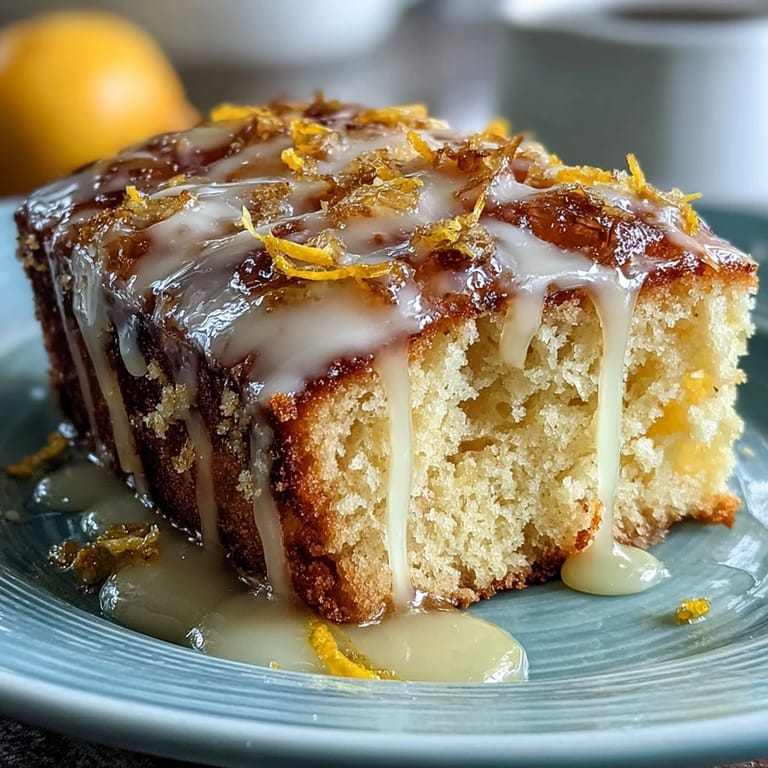
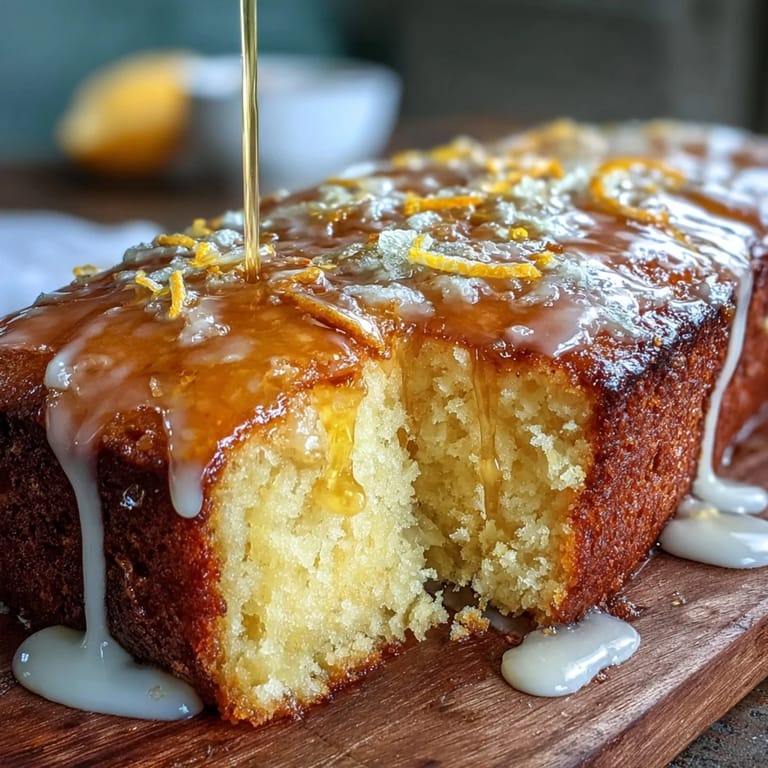
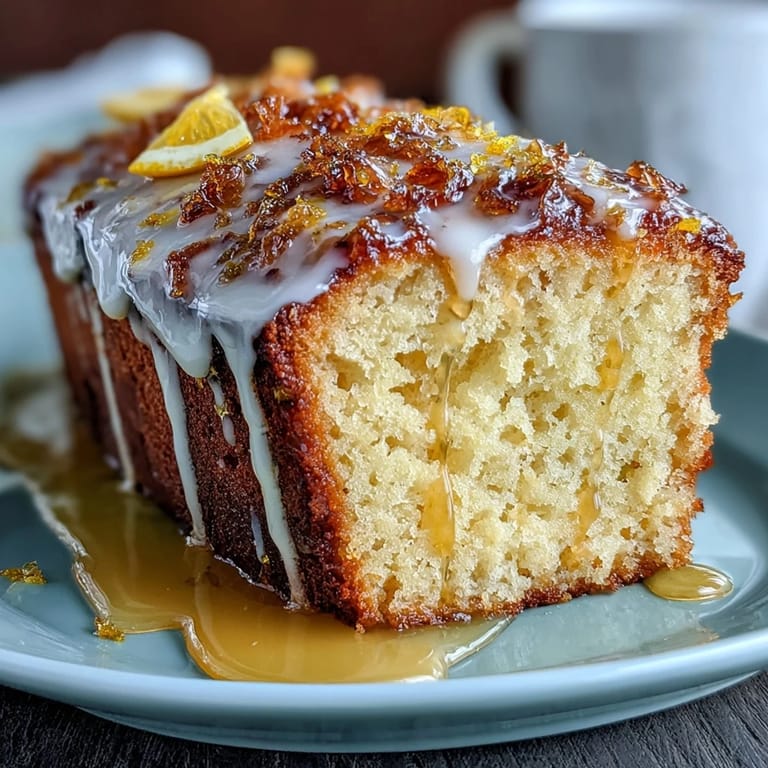
- Drizzle the glaze over the completely cooled cake in whatever pattern feels right, then scatter the lemon zest over the top while the glaze is still wet. Let it set for at least 20 minutes before slicing.
 Save to Pinterest
 There was a moment at my sister's party when her neighbor sat down, took a bite, and just got quiet for a second. Then she looked at the cake like it had offended her somehow, and I realized she was tearing up. She told us later it reminded her of a lemon cake her grandmother made in Italy, and for a moment she could picture the kitchen, smell the lemons, hear the voices. That's when I understood this cake was more than just dessert.
When Limoncello Becomes Magic
Limoncello exists in this strange liminal space between liquor and ingredient. Most people know it as a chilled shot, but when you build it into a cake, something unexpected happens. The alcohol bakes off but leaves behind a complexity that's hard to name. Your guests will taste the lemon first, then wonder what's making it taste so sophisticated and grown-up, and that moment of discovery is worth every step of the process.
The Power of a Perfect Glaze
A glaze is the final moment where you can salvage a cake that didn't brown perfectly or add shine to one that looks pale. The trick is getting the consistency exactly right. Too thick and it sits on top like paint; too thin and it slides right off and pools on the plate. The sweet glaze also balances the cake's citrus intensity, making sure no single flavor dominates.
Make It Your Own
This cake begs to be personalized. I've made versions that leaned into the spring theme by adding fresh berries on the plate beside it, and versions that stayed pure and simple. The framework is solid enough to hold whatever you add to it. Here are three ways I've expanded on the original:
- Brush the baked cake with 2 tablespoons of limoncello before glazing if you want the liqueur flavor to hit even harder.
- Serve it with a dollop of whipped cream or fresh ricotta to add richness and another texture that plays against the sharp citrus.
- Try orange liqueur and orange zest for a warmer variation that works just as beautifully in fall and winter.
 Save to Pinterest
 This cake has become my answer to every spring gathering, and it never fails to surprise people with how tender and intentional it tastes. Make it for someone you love, and watch their face when they taste what limoncello can do.
Recipe FAQs
- → What is the best way to incorporate limoncello into the batter?
Add limoncello with the wet ingredients, mixing it evenly to infuse the cake with vibrant citrus flavor without overpowering the texture.
- → How do I ensure the cake stays moist?
Using room temperature butter and eggs helps create a smooth batter. Avoid overmixing once the flour is added to maintain a tender crumb.
- → Can I substitute lemon zest with another citrus?
Yes, orange zest can be used for a twist, pairing well with the limoncello while offering a slightly sweeter aroma.
- → How long should the cake cool before glazing?
Let the cake cool completely on a wire rack, about 30-45 minutes, to prevent the glaze from melting and ensure a smooth finish.
- → What is the best pan type for baking this cake?
A greased and floured 9x5-inch loaf pan or bundt pan works well, providing even baking and easy release after cooling.