 Save to Pinterest
 The first time I encountered hojicha mousse was at a tiny dessert café in Kyoto during rainy season. Something about that deep, roasted flavor wrapped in clouds of silk felt like discovering a secret language between tea and cream. I spent months trying to recreate that particular weightlessness at home, failing more times than I care to admit.
Last autumn, I made this for a dinner party where my friend kept interrupting her own story to take another bite, asking how something so airy could taste so grounding. That exact moment when the table goes quiet because everyone is just experiencing something beautiful is why I keep returning to this recipe.
Ingredients
- Hojicha tea leaves: The roasted character here is the soul of the dish so source quality leaves and steep gently to extract those warm, toasty notes without any bitterness
- Whole milk: Creates the creamy canvas but plant milk works beautifully if you need dairy-free, just expect slightly less richness in the final texture
- Egg yolks: These provide the luxurious body and silkiness while helping the mousse set perfectly without being too dense
- Granulated sugar: Split between the yolk mixture and egg whites, this balances the roasted tea while supporting the structure of your mousse
- Cornstarch: A tiny bit goes a long way to stabilize everything and prevent weeping while keeping the texture impossibly smooth
- Powdered gelatin: The secret to that perfect set that holds its shape but still melts beautifully on the tongue
- Egg whites: Whipped to stiff peaks, these incorporate all the air and create that dreamy, weightless mousse texture
Tired of Takeout? 🥡
Get 10 meals you can make faster than delivery arrives. Seriously.
One email. No spam. Unsubscribe anytime.
Instructions
- Steep the hojicha:
- Heat the milk until you see gentle steam rising, then add your tea leaves, cover and let them infuse for a full 10 minutes before straining out every leaf
- Bloom your gelatin:
- Sprinkle the powder over cold water and let it sit for 5 minutes until it has absorbed all the liquid and softened completely
- Make the base:
- Whisk egg yolks with half the sugar and cornstarch until they turn pale and velvety, then slowly temper in your warm hojicha milk
- Cook the custard:
- Set the bowl over simmering water and whisk without stopping until the mixture thickens enough to coat the back of your spoon, about 3 to 5 minutes
- Add gelatin and vanilla:
- Stir in your bloomed gelatin until it has completely disappeared into the hot mixture, then mix in vanilla and let everything cool to room temperature
- Whip the whites:
- Beat your egg whites to soft peaks before gradually adding the remaining sugar and continuing until you have glossy, stiff peaks that hold their shape
- Fold together:
- Gently incorporate the whites into your cooled hojicha base in three additions, being careful to keep as much air as possible for that cloud-like texture
- Chill completely:
- Divide the mousse among your serving glasses and refrigerate for at least 2 hours until fully set and ready to serve
- Finish and serve:
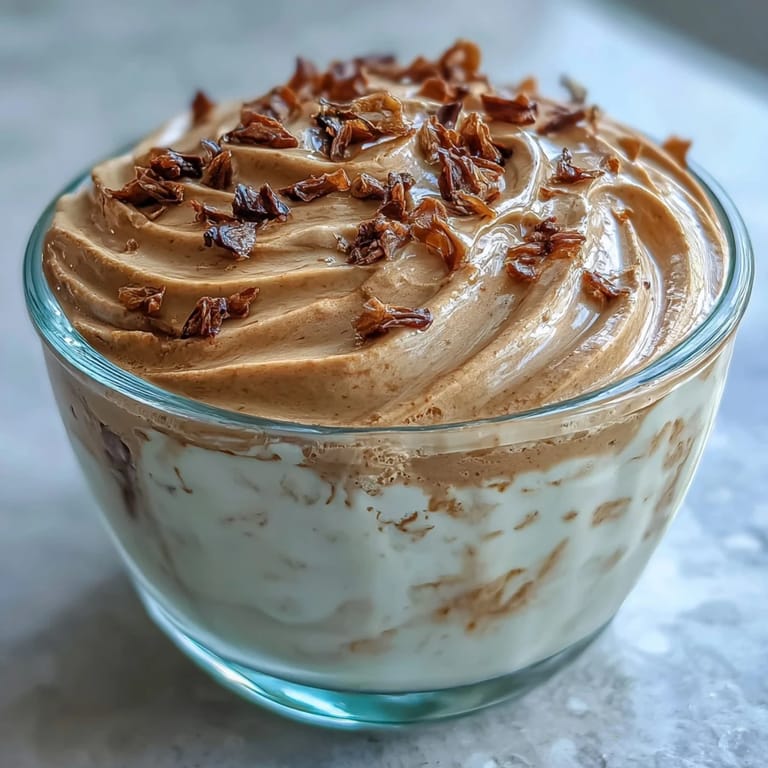
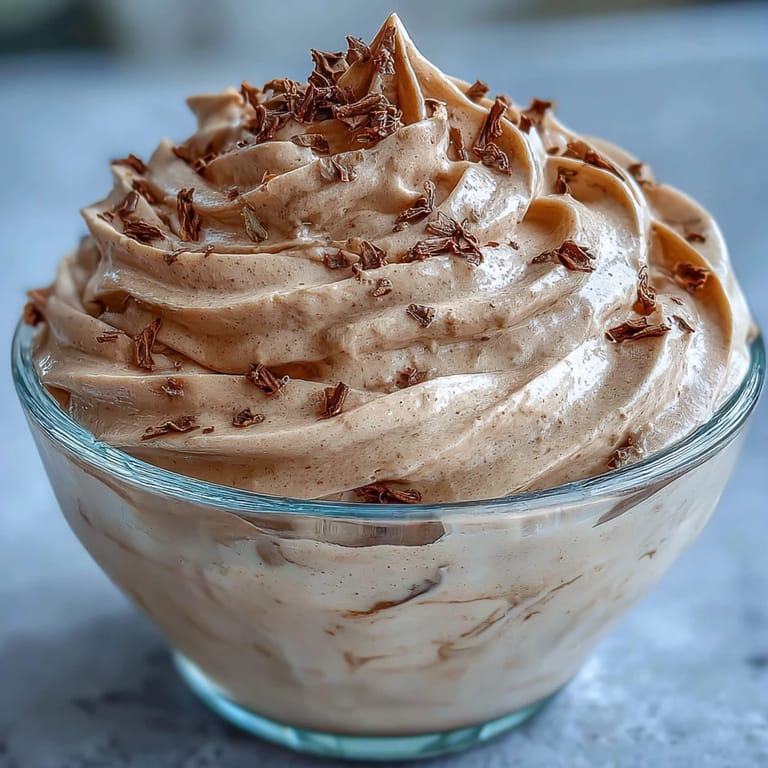
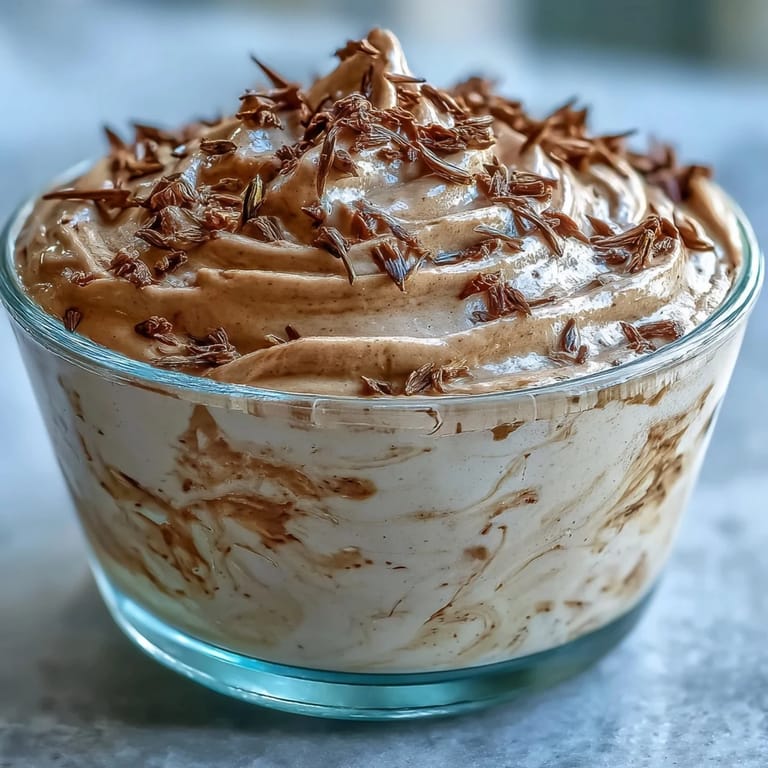
- Top with toasted hojicha leaves or cocoa nibs for a lovely crunch that contrasts beautifully with the silky mousse beneath
 Save to Pinterest
 This recipe became my go-to for those nights when I want something elegant but do not want to be in the kitchen for hours. There is something deeply satisfying about serving a dessert that feels so refined yet comes together with such simple ingredients and straightforward technique.
Getting the Texture Right
The difference between a good mousse and a great one often comes down to the whipping stage of your egg whites. You want them glossy and firm enough to hold their shape but not over-beaten, which can make them difficult to fold in without losing volume.
Temperature Matters
Working with temperatures is crucial here. Your hojicha milk should be warm but not scalding when you temper the yolks, and the finished base must be completely cool before you fold in the whites to maintain that ethereal texture.
Serving Suggestions
While this mousse is stunning on its own, a few thoughtful additions can elevate it even further. The slight bitterness of toasted hojicha leaves on top creates beautiful contrast, while fresh berries add brightness and a lovely tart note.
- Consider serving with a light floral sake for a traditional pairing
- A dusting of matcha powder adds visual interest and complementary flavor
- Keep portions modest since this is richer than it appears
 Save to Pinterest
 Every time I serve this, I am reminded that sometimes the most elegant desserts are built on the simplest foundations. Hope this brings a little quiet luxury to your table.
Recipe FAQs
- → What makes hojicha different from other Japanese teas?
Hojicha is a roasted green tea with a distinctively deep, nutty flavor profile and reddish-brown color. Unlike matcha or sencha, the roasting process reduces bitterness and creates notes reminiscent of caramel and cocoa. This unique character makes hojicha particularly suitable for desserts, where its roasted flavors provide sophistication without overwhelming sweetness.
- → Can I make this mousse ahead of time?
Absolutely. This mousse actually benefits from resting time and can be prepared up to 24 hours in advance. The flavors deepen and the texture becomes more stable after proper chilling. Store your serving glasses or ramekins covered in the refrigerator, and add garnishes like toasted tea leaves or cocoa nibs just before serving for optimal texture contrast.
- → Why is this mousse made without heavy cream?
Traditional French mousse relies heavily on heavy cream, but this Japanese-inspired version achieves its airy structure through whipped egg whites. This approach yields a lighter, more delicate texture that doesn't weigh down the palate. The result showcases the hojicha's subtle roasted notes without the richness of cream, making each spoonful feel refined and elegant rather than heavy.
- → What can I use if I don't have gelatin?
Agar-agar makes an excellent plant-based substitute for gelatin in this mousse. Use approximately 1 teaspoon of agar-agar powder for every 2 teaspoons of gelatin called for in the recipe. Dissolve the agar in the hot hojicha milk mixture before combining with the yolks, ensuring it's fully incorporated. The resulting texture will be slightly firmer but equally appealing.
- → How do I know when the egg yolk mixture is properly thickened?
The mixture is ready when it coats the back of a spoon and a line drawn through it holds its shape. This typically takes 3-5 minutes over your bain-marie. Whisk constantly to prevent curdling—the mixture should steam gently but never boil. If you notice small lumps forming, remove from heat immediately and strain through a fine mesh before continuing.
- → What's the best way to fold in the egg whites without losing volume?
Start with one-third of the whipped whites to lighten the dense hojicha base, using gentle folding motions with a rubber spatula. Add the remaining whites in two additions, cutting through the center and sweeping up the sides. The goal is to maintain as much air as possible while achieving an even color. Stop when no white streaks remain, even if tiny bubbles remain visible.